
"Almost Daily Health Tips From Our Osteopath Team"
Use the Form Below to Get Them All Sent to You for FREE
The Role Of Manual Therapy In Easing Infant Colic
Manual therapy from an osteopath is often overlooked as a possible treatment for infant colic. That’s completely understandable when you consider how the birth of a child already brings an overwhelming array of both positive and negative emotions.
Amid the joy for many new parents, their arrival comes with the baffling reality of a baby crying incessantly for no apparent reason. The search for solace and the correct comforting technique can feel never-ending when this happens.
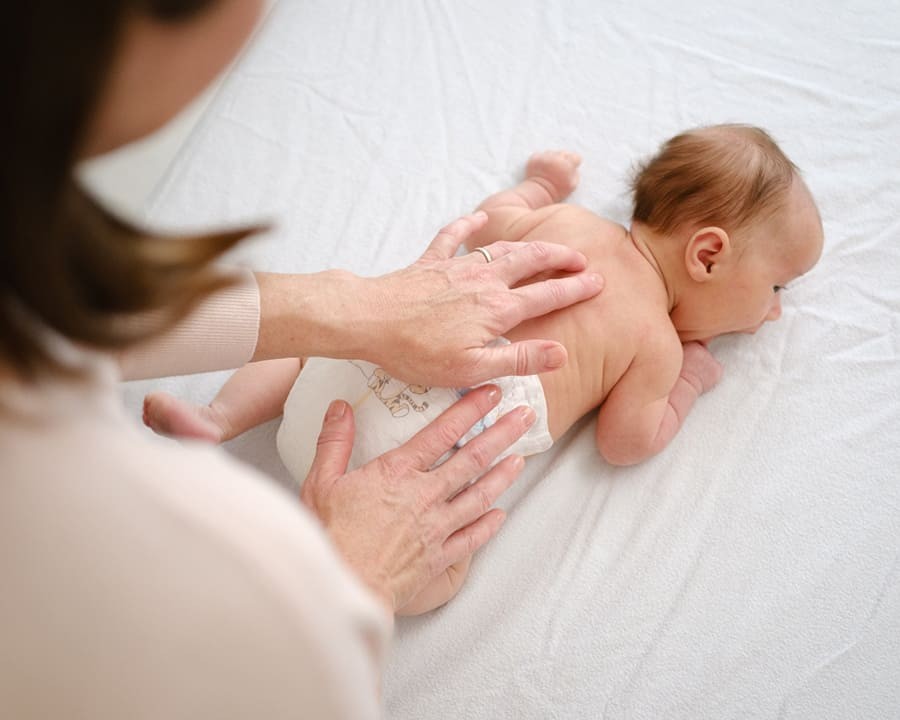
However, one method that can help is manual therapy. This hands-on approach involves gentle manipulations that can provide the respite you and your baby need.
What Exactly is Infant Colic?
Before we explore how osteopathy and manual therapy can help with colic, it’s essential to understand infant colic and what causes it.
Infant colic is not a medical condition but a term to describe excessive crying in otherwise healthy and well-fed infants. The cause of colic needs to be better understood. Still, allopathic doctors believe it to be a combination of factors, including gastrointestinal discomfort, overstimulation, and the natural peaks of fussiness that babies exhibit.
The condition typically surfaces within the first few weeks of life. It often resolves when the baby is about three to four months old.
Typically, colic presents as persistent crying — more than three hours a day, three days a week — for an extended period, usually in the late afternoon and evening. It can be mistaken for issues like hunger or pain, and it’s a puzzle that many healthcare professionals and parents struggle to crack.
Recognising Colic in Your Baby
One of the most difficult aspects of parenting (in the early days) is decoding your baby’s language — their cries, coos, and every expression have hidden meanings. You can recognise colic by a few key characteristics:
Intense crying: This isn’t the usual cry for attention or hunger. It’s a piercing, high-pitched wail that is difficult to soothe.
Cyclic crying: Colicky babies often have a predictable time of day when the crying starts, typically in the evening.
Episodes: These crying spells typically last for several hours and can occur every day.
Manual Therapy in Pediatric Health
In the modern world, parents are looking beyond conventional treatments, seeking gentler, more holistic approaches to their child’s discomfort—without the side effects of traditional medicines. Manual therapy is one such approach provided by osteopaths specialising in paediatric care.
It entails massage-like techniques and gentle spinal manipulations that can be a promising option for soothing “colicky” infants. The central philosophy of osteopathy and manual therapy hinges on the belief that the body is self-healing, and manipulations and postural realignment can bolster this natural process.
We apply subtle pressure and gentle movements to align and harmonise the body’s structures. In infant colic, these treatments can alleviate tension in your baby’s muscles and bones, which can get strained during the birthing process and in adjusting to life outside the womb.
While manual therapy for colic isn’t entirely new, its new-found popularity is due to the backing the treatment is now getting in contemporary research. Several studies now suggest that manual therapy techniques can significantly reduce crying time among colicky infants.
During a manual therapy session, you can expect a thorough examination of your baby’s medical history and then very gentle, soft-touch techniques to comfort and correct the potential underlying issues.
The Benefits Of Manual Therapy Beyond Colic Relief
Osteopathy and manual therapy treatment aren’t just about reducing colic symptoms. The potential benefits extend well beyond that. By addressing musculoskeletal imbalances early in your child’s life, manual therapy can help prevent the development of certain conditions as they grow, such as postural anomalies, asymmetries, and other issues related to physical development.
It also offers a safe and drug-free complement to standard infant care, providing additional comfort, mind-body benefits, and preventative healthcare. Manual therapy forms part of wider osteopathic treatment. Osteopathy is a form of alternative medicine that emphasises physical manipulation of the body’s muscle tissue and bones.
It is based on the principle that well-being depends on the harmonious function of the skeleton, muscles, ligaments, and connective tissues. We use various techniques to improve circulation, relieve muscle tension, and enhance the body’s inherent ability to heal itself.
Although infant colic is a temporary condition, finding relief for your little one can improve the quality of life for the entire family. Osteopathy may offer a gentle solution to alleviate the symptoms associated with colic. Always monitor your baby’s response to new treatments and communicate regularly with your paediatrician.
Osteopathic treatment for infant colic focuses on relieving tension and stress in your baby’s body, particularly in the spine and digestive tract. The techniques we use in osteopathy for colic include:
Gentle Spinal Adjustment: These adjustments can help alleviate any potential discomfort your baby may be experiencing due to misalignments, potentially improving their well-being.
Cranial Osteopathy: This subtle osteopathic treatment involves gently manipulating the cranial bones to relieve pressure and tension.
Visceral Techniques: These techniques intend to improve your baby’s digestive organs’ function, potentially relieving colic symptoms.
Navigating parenthood is both rewarding and challenging, and infant colic is one of the first hurdles you can encounter as a new parent. If you’re considering osteopathy and manual therapy as part of your colic management strategy, approach it open-mindedly.
While it’s not a panacea, many parents and babies find relief in these gentle techniques. At the very least, parents report that their babies seem calmer and sleep better following osteopathic treatment.
Additional Tips For Dealing With Infant Colic
If your baby has colic, it can be overwhelming, so here are some strategies to help you cope:
Self-Care: “You can’t pour from an empty cup”. It’s essential to maintain your mental and emotional well-being when dealing with a baby with colic. Reach out to your support network, which may include your partner, family, friends, and healthcare professionals. Sharing the burden of caring for a colicky baby can make a significant difference. Also, remember that colic is not caused by anything you have done or not done and doesn’t reflect your abilities as a parent.
Explore Comfort Techniques: You can use various strategies to soothe your baby effectively. These include gentle rocking, swaddling, using white noise machines, and carrying your baby in a sling or carrier to promote closeness and security.
Stay Calm and Comforting: Infant colic can be as distressing for you as a parent as it is for the baby. Remaining calm during your baby’s crying spells can help you provide their needed support. Also, take regular breaks to rest and practice self-care to prevent burnout.
Feeding Routine: If feeding seems to soothe your baby, establish a feeding schedule to provide comfort regularly.
Burping: A good burping session can release trapped gas and relieve discomfort that can lead to colic-like symptoms.
Reduce Stimulation: Sometimes, dimming the lights and providing a quiet, calm atmosphere can help.
Consistent Routines: Establishing a predictable sleeping, waking, and eating routine can help stabilise the child’s rhythms.
Seek Help: If you suspect your baby has colic, it is crucial to consult your paediatrician. They can rule out any underlying conditions and provide guidance tailored to your baby’s needs. Once you’ve done this, you may also want to seek additional help from an experienced osteopath.
Consider Dietary Adjustments: If breastfeeding, your diet may impact your baby’s colic. Your doctor might suggest avoiding certain foods that cause gas or discomfort in babies, such as dairy products or those high in sugar. For formula-fed babies, your paediatrician may recommend trying different types of formula to see if it makes a difference.
Medication (as a last resort): In cases where colic significantly interferes with the health and well-being of the child and family, a doctor may suggest using gas drops or other over-the-counter medications. However, we recommend that you try osteopathy and manual therapy first and only use medication as a last resort.
Most infants outgrow colic by their fourth month. Understanding that colic is a phase that will pass is imperative. In the meantime, focus on providing your baby with a calming environment and cherish the moments when they are content.
Infant colic can be a trying experience, but with the right support and coping strategies, this phase, too, will pass. Stay patient, and most importantly, stay connected with other parents who have been through the same struggle.
You’re not alone, and a whole community of parents are also navigating this challenging period. Consider joining an online support group to connect with other parents who are going through the same challenging experience. The collective wisdom and shared advice can help take the edge off this intense yet temporary chapter of your baby’s early life.
However, if your baby’s crying seems excessive or you’re concerned about their health and well-being, don’t hesitate to seek medical advice. Taking care of yourself is equally vital. Make sure to reach out for help when you need a break.
Ready to move better and live pain-free? Book an appointment with Osteoworks today.
Osteopathy Treatments in Brisbane
Select your area of pain to get clear answers and the right treatment.
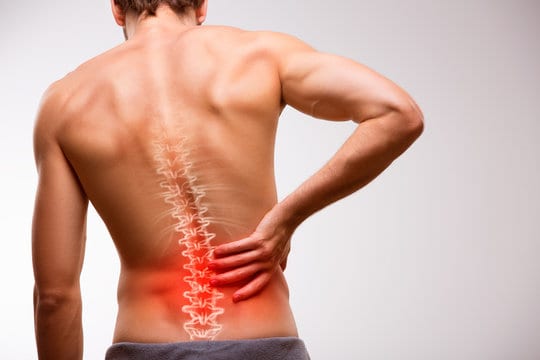
Back Pain Treatment
Lower back pain, sciatica, stiffness
[View Treatment]
Knee Pain Treatment
Injury, strain, instability
[View Treatment]

Neck & Shoulder Treatment
Stiffness, headaches, posture pain
[View Treatment]

Hip Pain Treatment
Walking pain, stiffness, groin pain
[View Treatment]

Comprehensive, Hands-On Care for Lasting Results
Osteopathy is a holistic approach to healthcare that focuses on diagnosing, treating, and preventing musculoskeletal problems. Unlike treatments that simply address symptoms, osteopaths work to identify and treat the root cause of your pain, helping you achieve long-term relief and better overall health. Whether you're dealing with chronic discomfort or a recent injury, an experienced Brisbane osteopath can provide personalised care tailored to your specific needs.
Osteopaths use a variety of hands-on techniques to improve mobility, reduce tension, and restore balance to your body. These include gentle stretching, massage, joint mobilisation, and manipulation. Each treatment is carefully designed based on a thorough assessment of your posture, movement patterns, and medical history. This comprehensive approach means that osteopathy can effectively address a wide range of conditions, from acute injuries to ongoing pain management.
Back pain is one of the most common reasons people seek osteopathic care. Whether it's lower back pain from sitting at a desk all day, a sports-related injury, or chronic stiffness, osteopaths have the skills to help. By releasing tight muscles, improving joint mobility, and addressing postural imbalances, treatment can significantly reduce pain and help you return to your normal activities. Many patients find that regular osteopathic sessions prevent back problems from returning.
Neck pain is another frequent complaint, often caused by poor posture, stress, or prolonged computer use. Osteopaths gently work on the neck, shoulders, and upper back to relieve tension, improve range of motion, and reduce headaches that often accompany neck problems. Treatment may also include advice on ergonomics and exercises to strengthen supporting muscles.
Hip pain can be particularly debilitating, affecting your ability to walk, sleep, and enjoy daily activities. Osteopaths assess not just the hip joint itself, but also the lower back, pelvis, and legs, as hip problems often stem from or contribute to issues in surrounding areas. By addressing the whole kinetic chain, osteopathic treatment can provide lasting relief and improve your overall mobility.
One of the key benefits of osteopathy is its focus on prevention. Rather than waiting for pain to return, your osteopath will work with you to identify factors that may be contributing to your problems. This might include postural habits, workplace ergonomics, exercise techniques, or lifestyle factors. You'll receive practical advice and exercises to help you maintain improvements between sessions and reduce the risk of future injury.
If you're in the Brisbane area, seeing a local practitioner offers significant advantages. A Brisbane osteopath understands the lifestyle factors common to the area—from active outdoor pursuits to commuter stress—and can provide relevant, practical advice. For residents in and around Kangaroo Point, convenient access to quality osteopathic care means you can easily fit treatment into your schedule, whether you need a single session for an acute issue or ongoing care for chronic conditions.
Our clinic provides a welcoming, professional environment where your health is our priority. We take the time to listen to your concerns, explain our findings, and involve you in your treatment plan. Many patients are surprised by how quickly they notice improvements and how much better they feel with regular care.
Don't let pain limit your life. Whether you're experiencing back pain, neck pain, hip pain, or any other musculoskeletal issue, osteopathy offers a safe, effective, drug-free approach to relief. With the right treatment and guidance, you can move better, feel stronger, and enjoy life more fully. Contact us today to book an appointment and discover how osteopathy can help you achieve lasting results.
Speak directly with an osteopath to ask questions
and understand your options before booking.
Call the team (07) 3217 3131
Recent Posts
 Best Sleeping Positions for Back and Neck Pain
 Warm-Up Routine to Prevent Lower Back Injury Before Exercise
 How to Set Up an Ergonomic Home Office (Osteopath-Approved)
Categories
ArthritisBack Pain
Chest Pain
Elbow Pain
Exercise
Flexibility
Foot pain
Hands
Headaches
Health Tips
Hip Pain
Knee Pain
Mindfulness
Neck & Shoulder Pain
Osteopathy
Osteoworks
Pain Management
Physical Therapy
Posture
Rest
Sleep
Sports Injuries
Stretches
Wellness