
"Almost Daily Health Tips From Our Osteopath Team"
Use the Form Below to Get Them All Sent to You for FREE
Should You Warm Up Before Exercise to Prevent Lower Back Injury?
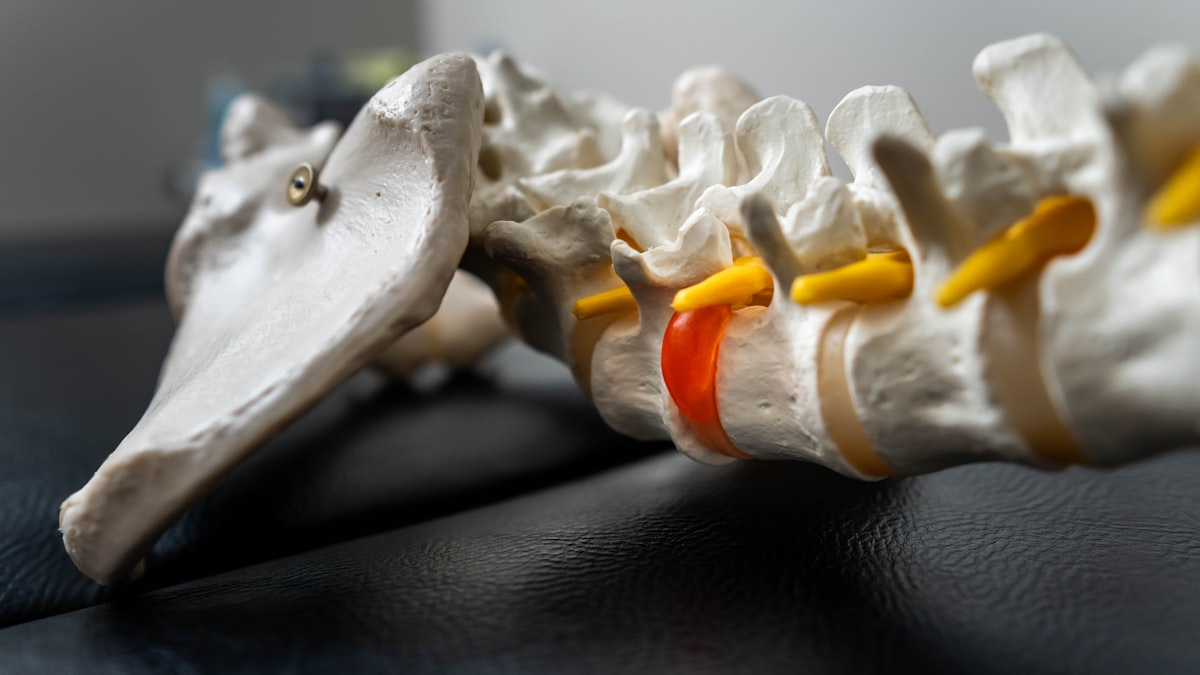
Short answer: yes — especially if your lower back has grumbled at you before. A cold, stiff lumbar spine asked to sprint, lift, twist or hinge under load is far more vulnerable than a warm, moving one. The right warm-up takes eight to ten minutes, needs no equipment, and dramatically lowers your risk of tweaking your back mid-workout.
Below is the pre-exercise routine we give patients at our Kangaroo Point clinic. It's designed specifically to prepare the lower back — and the hips and glutes that share its workload — before running, gym sessions or weekend sport.
Why Warming Up Protects Your Lower Back
Your spine doesn't work alone. Every bend, lift and stride recruits hips, glutes and trunk muscles. When those tissues are cold, movement stiffness gets dumped onto the lower back instead. A gradual warm-up raises tissue temperature, improves joint lubrication, switches on the deep core muscles that brace your spine, and gives your nervous system a rehearsal of the movements you're about to load.
Skipping it doesn't guarantee injury — but it removes the buffer your back relies on when a movement goes slightly wrong. For people returning to exercise after time off, or after injury, it's non-negotiable.
A Six-Move Lower Back Warm-Up (8–10 Minutes)
Move smoothly, breathe, and stay well short of your maximum range. This should feel like waking your body up, not stretching to your limits.
- Easy cardio pulse (2 minutes). March on the spot, then progress to light jogging or skipping. Gentle, whole-body movement first raises your core temperature and gets blood flowing to the spine and hips.
- Cat–camel (8–10 reps). On hands and knees, gently round and arch your whole spine. This mobilises every segment of the lumbar spine through a safe, unloaded range.
- Hip hinges (10 reps). Stand with feet hip-width, hands on hips, and push your hips back while keeping your back neutral, then stand tall. This rehearses the single most important spine-safe movement pattern before you load it.
- Glute bridges (10–12 reps). Lying on your back, knees bent, drive through your heels and squeeze your glutes at the top. Strong, awake glutes take load off the lower back during running and lifting.
- World's greatest stretch (5 per side). A lunge with a rotation and reach. It mobilises hips, thoracic spine and hamstrings together — the trio most often behind lower back stiffness.
- Graduated build-in (2–3 minutes). Finish with 2–3 lighter or slower versions of your first exercise — an easy jog before intervals, a light set before heavy lifts, a soft-paced rally before a match.
How Often — and When to Do More
Use this routine before every higher-effort session: running, gym, sport, or a long day of physical work like gardening or moving house. If you sit all day before training (very common for Kangaroo Point office workers), add an extra minute of cat–camel and hip hinges — sitting leaves the hips tight and the glutes sleepy, which pushes more demand onto the lumbar spine.
And remember: a warm-up reduces risk, it can't eliminate it. If you want a broader program for protecting your back day to day, our article on managing and preventing lower back pain is a good companion read, along with our sports injury guides.
Signs You've Overdone It
Muscle ache that settles within a day or two is normal training soreness. Seek assessment if you notice pain that shoots down the leg, numbness or tingling, pain that wakes you at night, or back pain that keeps returning at the same point of the same activity — that pattern usually means something in your movement or strength needs proper attention, not just more warming up.
At Osteoworks we don't just treat the sore spot. We find why your back is picking up the slack — whether that's hip restriction, weak glutes, an old injury, or training load that outran your conditioning — and build a plan to fix the cause. Sharp back pain after exercise, or pain that keeps coming back? Book an assessment or read about our approach to back pain treatment.
A Five-Minute Version for Busy Days
The full routine above is the goal, but a short version done consistently beats a perfect version skipped. Before any session involving load — gym, running, a weekend game — run through: thirty seconds of easy marching to raise the pulse, eight slow bodyweight squats to a comfortable depth, eight hip hinges with hands sliding down the thighs, six glute bridges, and five cat-cow cycles to wake up the spine's mid-range. Finish with three gentle lower-back rotations each side. That is it — about five minutes, no equipment, and enough to shift the lower back from cold and guarded to warm and responsive.
What the warm-up is not is optional ceremony. Tissues loaded cold stiffen differently and tolerate less; the two minutes you save by skipping it is borrowed against the same session's safety. If you regularly train early in the morning or straight after work, keep the routine printed or saved on your phone — friction is the enemy of consistency.
Frequently Asked Questions
Osteopathy Treatments in Brisbane
Select your area of pain to get clear answers and the right treatment.
Back Pain Treatment
Lower back pain, sciatica, stiffness
[View Treatment]
Knee Pain Treatment
Injury, strain, instability
[View Treatment]

Neck & Shoulder Treatment
Stiffness, headaches, posture pain
[View Treatment]

Hip Pain Treatment
Walking pain, stiffness, groin pain
[View Treatment]

Comprehensive, Hands-On Care for Lasting Results
Osteopathy is a holistic approach to healthcare that focuses on diagnosing, treating, and preventing musculoskeletal problems. Unlike treatments that simply address symptoms, osteopaths work to identify and treat the root cause of your pain, helping you achieve long-term relief and better overall health. Whether you're dealing with chronic discomfort or a recent injury, an experienced Brisbane osteopath can provide personalised care tailored to your specific needs.
Osteopaths use a variety of hands-on techniques to improve mobility, reduce tension, and restore balance to your body. These include gentle stretching, massage, joint mobilisation, and manipulation. Each treatment is carefully designed based on a thorough assessment of your posture, movement patterns, and medical history. This comprehensive approach means that osteopathy can effectively address a wide range of conditions, from acute injuries to ongoing pain management.
Back pain is one of the most common reasons people seek osteopathic care. Whether it's lower back pain from sitting at a desk all day, a sports-related injury, or chronic stiffness, osteopaths have the skills to help. By releasing tight muscles, improving joint mobility, and addressing postural imbalances, treatment can significantly reduce pain and help you return to your normal activities. Many patients find that regular osteopathic sessions prevent back problems from returning.
Neck pain is another frequent complaint, often caused by poor posture, stress, or prolonged computer use. Osteopaths gently work on the neck, shoulders, and upper back to relieve tension, improve range of motion, and reduce headaches that often accompany neck problems. Treatment may also include advice on ergonomics and exercises to strengthen supporting muscles.
Hip pain can be particularly debilitating, affecting your ability to walk, sleep, and enjoy daily activities. Osteopaths assess not just the hip joint itself, but also the lower back, pelvis, and legs, as hip problems often stem from or contribute to issues in surrounding areas. By addressing the whole kinetic chain, osteopathic treatment can provide lasting relief and improve your overall mobility.
One of the key benefits of osteopathy is its focus on prevention. Rather than waiting for pain to return, your osteopath will work with you to identify factors that may be contributing to your problems. This might include postural habits, workplace ergonomics, exercise techniques, or lifestyle factors. You'll receive practical advice and exercises to help you maintain improvements between sessions and reduce the risk of future injury.
If you're in the Brisbane area, seeing a local practitioner offers significant advantages. A Brisbane osteopath understands the lifestyle factors common to the area—from active outdoor pursuits to commuter stress—and can provide relevant, practical advice. For residents in and around Kangaroo Point, convenient access to quality osteopathic care means you can easily fit treatment into your schedule, whether you need a single session for an acute issue or ongoing care for chronic conditions.
Our clinic provides a welcoming, professional environment where your health is our priority. We take the time to listen to your concerns, explain our findings, and involve you in your treatment plan. Many patients are surprised by how quickly they notice improvements and how much better they feel with regular care.
Don't let pain limit your life. Whether you're experiencing back pain, neck pain, hip pain, or any other musculoskeletal issue, osteopathy offers a safe, effective, drug-free approach to relief. With the right treatment and guidance, you can move better, feel stronger, and enjoy life more fully. Contact us today to book an appointment and discover how osteopathy can help you achieve lasting results.
Speak directly with an osteopath to ask questions
and understand your options before booking.
Call the team (07) 3217 3131
Recent Posts
 Best Sleeping Positions for Back and Neck Pain
 How to Set Up an Ergonomic Home Office (Osteopath-Approved)
 Golfers and Lower Back Pain: Why It's So Common
Categories
ArthritisBack Pain
Chest Pain
Elbow Pain
Exercise
Flexibility
Foot pain
Hands
Headaches
Health Tips
Hip Pain
Knee Pain
Mindfulness
Neck & Shoulder Pain
Osteopathy
Osteoworks
Pain Management
Physical Therapy
Posture
Rest
Sleep
Sports Injuries
Stretches
Wellness