
"Almost Daily Health Tips From Our Osteopath Team"
Use the Form Below to Get Them All Sent to You for FREE
Golfers and Lower Back Pain: Why It's So Common
Ask around any Brisbane golf club and you'll find it: lower back pain after the back nine. It's the most common complaint in golfers, from weekend hackers to professionals — and it has a lot to do with what the golf swing asks of a body that most of us don't prepare.
Why Golf Beats Up Your Back
- Rotation under speed: the swing generates huge rotational force through a spine that most golfers never train for rotation.
- Asymmetry: thousands of one-directional swings build imbalances that gradually load the lower back.
- Restricted hips and mid-back: when hips and thoracic spine can't rotate, the lumbar spine absorbs the demand they should have handled.
- Compensations: that "little sway" or "early extension" in your swing often reflects a mobility restriction somewhere else.
The Fix Isn't Just Swing Lessons
Coaching helps, but if the body can't physically rotate, no lesson will fully protect your back. What works:
- Restore rotation: hands-on treatment to free up stiff hips and the mid-back changes how much work the lower back has to do.
- Build rotational strength: anti-rotation core work and hip strength make the swing stable under speed.
- Warm up: ten minutes of dynamic movement before the first tee measurably reduces strain.
- Manage volume: 36 holes after months off is how backs break — progress like it's training, because it is.
Simple Adjustments to Protect Your Back on the Course
You don't need to rebuild your swing to take pressure off your lower back. A few targeted adjustments reduce the rotational stress that makes golf such a common source of back pain.
Start with the setup. A slightly wider stance and a more upright spine angle at address reduce the shear forces through the lumbar segments at the top of the backswing. Shortening your backswing by ten per cent costs remarkably little distance while cutting peak rotational load substantially — many golfers find they actually strike the ball more consistently with the shorter turn.
Off the course, the two highest-value additions are mid-back mobility work and hip rotation drills. A thoracic spine that rotates freely means your lower back doesn't have to counterfeit the turn, and mobile hips absorb much of the rotation the swing demands. Add a brisk pre-round walk instead of arriving straight from the car to the first tee, and carry rather than pull your bag where practical. If pain still follows you home after eighteen holes, an assessment can identify exactly which restricted segment is absorbing the strain — and treat that, rather than the symptom.
Frequently Asked QuestionsShould I play through mild back pain?
Occasional mild soreness that settles next day is common. Pain that alters your swing, recurs every round, or lingers deserves assessment before it becomes a season problem.
Can osteopathy improve my game?
Better rotation and hip mobility frequently add consistency and distance — plenty of golfers notice it in their swing before they notice it in their back.
Why the Golf Swing Loads the Lower Back
The modern golf swing is a rotational power event: the lower back sits at the end of a kinetic chain that starts at the ground and has to deliver hip and trunk rotation at speed, repeatedly, for four hours. Two mechanical realities make golfers vulnerable. First, the lumbar spine is built for stability more than rotation — the hips and mid-back own most of the rotation budget, and when they are stiff, the lower back is forced to overspend. Second, the swing is one-sided: thousands of identical rotations load the same segments, the same side, every round and every range session.
Add the classic golfer profile — a desk week, one warm-up swing, eighteen holes — and the back's complaint is entirely predictable. It is one of the most common injuries in the sport, at every handicap level.
Play More, Hurt Less
- Warm up for real: five minutes of hip and mid-back rotation plus gradual swings before the first tee — cold first drives are the signature injury moment.
- Restore the rotation budget: daily mid-back and hip mobility so the lumbar spine stops doing the hips' job.
- Build rotational strength — dead bugs, pallof presses, carries — twice weekly; it is the cheapest distance gain in golf.
- Count range sessions as rounds: they accumulate the same one-sided load.
- Get an assessment if the back aches past the eighteenth hole every week — swing mechanics and body mechanics are both fixable.
Frequently Asked Questions
Your Next Step
Keep your game — lose the back pain. Book a golfer's movement assessment at Osteoworks, Kangaroo Point.
Book an appointment online or contact our Kangaroo Point clinic.
You may also find these helpful: our Back Pain treatment page, A Local's Guide to Staying Active Around Kangaroo Point, Why Your Lower Back Pain Keeps Coming Back (And What to Do Differently), Osteopathy for Runners: Preventing Common Overuse Injuries.
About Osteoworks
Osteoworks is an osteopathic clinic in Kangaroo Point, Brisbane. Our osteopaths take a hands-on, whole-body approach — we look for the underlying cause of your pain rather than simply treating the symptom. Meet the team or learn more about osteopathy.
Osteopathy Treatments in Brisbane
Select your area of pain to get clear answers and the right treatment.
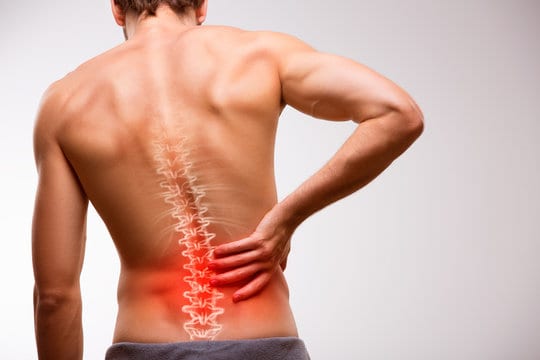
Back Pain Treatment
Lower back pain, sciatica, stiffness
[View Treatment]
Knee Pain Treatment
Injury, strain, instability
[View Treatment]
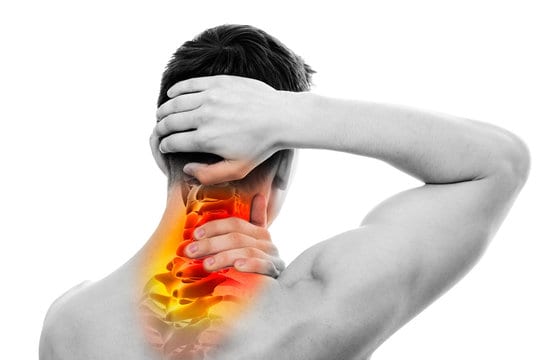
Neck & Shoulder Treatment
Stiffness, headaches, posture pain
[View Treatment]

Hip Pain Treatment
Walking pain, stiffness, groin pain
[View Treatment]

Comprehensive, Hands-On Care for Lasting Results
Osteopathy is a holistic approach to healthcare that focuses on diagnosing, treating, and preventing musculoskeletal problems. Unlike treatments that simply address symptoms, osteopaths work to identify and treat the root cause of your pain, helping you achieve long-term relief and better overall health. Whether you're dealing with chronic discomfort or a recent injury, an experienced Brisbane osteopath can provide personalised care tailored to your specific needs.
Osteopaths use a variety of hands-on techniques to improve mobility, reduce tension, and restore balance to your body. These include gentle stretching, massage, joint mobilisation, and manipulation. Each treatment is carefully designed based on a thorough assessment of your posture, movement patterns, and medical history. This comprehensive approach means that osteopathy can effectively address a wide range of conditions, from acute injuries to ongoing pain management.
Back pain is one of the most common reasons people seek osteopathic care. Whether it's lower back pain from sitting at a desk all day, a sports-related injury, or chronic stiffness, osteopaths have the skills to help. By releasing tight muscles, improving joint mobility, and addressing postural imbalances, treatment can significantly reduce pain and help you return to your normal activities. Many patients find that regular osteopathic sessions prevent back problems from returning.
Neck pain is another frequent complaint, often caused by poor posture, stress, or prolonged computer use. Osteopaths gently work on the neck, shoulders, and upper back to relieve tension, improve range of motion, and reduce headaches that often accompany neck problems. Treatment may also include advice on ergonomics and exercises to strengthen supporting muscles.
Hip pain can be particularly debilitating, affecting your ability to walk, sleep, and enjoy daily activities. Osteopaths assess not just the hip joint itself, but also the lower back, pelvis, and legs, as hip problems often stem from or contribute to issues in surrounding areas. By addressing the whole kinetic chain, osteopathic treatment can provide lasting relief and improve your overall mobility.
One of the key benefits of osteopathy is its focus on prevention. Rather than waiting for pain to return, your osteopath will work with you to identify factors that may be contributing to your problems. This might include postural habits, workplace ergonomics, exercise techniques, or lifestyle factors. You'll receive practical advice and exercises to help you maintain improvements between sessions and reduce the risk of future injury.
If you're in the Brisbane area, seeing a local practitioner offers significant advantages. A Brisbane osteopath understands the lifestyle factors common to the area—from active outdoor pursuits to commuter stress—and can provide relevant, practical advice. For residents in and around Kangaroo Point, convenient access to quality osteopathic care means you can easily fit treatment into your schedule, whether you need a single session for an acute issue or ongoing care for chronic conditions.
Our clinic provides a welcoming, professional environment where your health is our priority. We take the time to listen to your concerns, explain our findings, and involve you in your treatment plan. Many patients are surprised by how quickly they notice improvements and how much better they feel with regular care.
Don't let pain limit your life. Whether you're experiencing back pain, neck pain, hip pain, or any other musculoskeletal issue, osteopathy offers a safe, effective, drug-free approach to relief. With the right treatment and guidance, you can move better, feel stronger, and enjoy life more fully. Contact us today to book an appointment and discover how osteopathy can help you achieve lasting results.
Speak directly with an osteopath to ask questions
and understand your options before booking.
Call the team (07) 3217 3131
Recent Posts
 Best Sleeping Positions for Back and Neck Pain
 Warm-Up Routine to Prevent Lower Back Injury Before Exercise
 How to Set Up an Ergonomic Home Office (Osteopath-Approved)
Categories
ArthritisBack Pain
Chest Pain
Elbow Pain
Exercise
Flexibility
Foot pain
Hands
Headaches
Health Tips
Hip Pain
Knee Pain
Mindfulness
Neck & Shoulder Pain
Osteopathy
Osteoworks
Pain Management
Physical Therapy
Posture
Rest
Sleep
Sports Injuries
Stretches
Wellness