
"Almost Daily Health Tips From Our Osteopath Team"
Use the Form Below to Get Them All Sent to You for FREE
What Osteopaths Actually Do (It's More Than Cracking Backs)
Ask most people what an osteopath does and you'll hear about "cracking backs". Manipulation is part of the toolkit — but it's a small part. Here's what osteopathic treatment actually involves.
First: A Proper Assessment
Every consultation starts with a detailed case history — your symptoms, your medical background, your work and lifestyle — followed by a physical examination. We watch how you move, test joint ranges, palpate tissues, and screen for anything that needs medical referral. Only then does treatment begin.
The Techniques in the Toolkit
- Soft tissue work: stretching and pressure through muscles, tendons and ligaments to reduce tension and improve circulation.
- Joint articulation: gentle, rhythmic movement of joints to restore their natural range.
- High-velocity manipulation: the "crack" — one option for stiff joints, used selectively, never forced on anyone.
- Muscle energy techniques: you actively contract against gentle resistance to release and rebalance muscles.
- Visceral and cranial techniques: subtle approaches for specific presentations.
Then: The Part That Creates Lasting Change
Hands-on treatment restores movement and eases pain — but what keeps you out of pain is what happens between appointments. Osteopaths prescribe specific exercises, and give practical advice on posture, workstation setup, training load and recovery. We also treat the whole body, not just the painful area: your hip pain might improve after work on your mid-back, and your headaches after work on your neck.
Is Osteopathic Treatment Suitable for Everyone?
One of the most common questions we hear is whether osteopathy is safe and appropriate for a particular person or condition. The honest answer is that it's remarkably adaptable, but it's never one-size-fits-all.
Osteopathic techniques span a wide spectrum — from firm joint articulation and manipulation through to extremely gentle cranial and functional approaches. That range lets practitioners tailor treatment to babies, athletes, pregnant women, and frail older adults alike, simply by selecting techniques suited to the body in front of them. A teenager with a sporting injury and an eighty-year-old with arthritis are both treated with care, but the hands-on approach looks quite different.
There are situations where osteopathy isn't the right primary tool — a suspected fracture, infection, or serious underlying medical cause means referring you onward rather than treating. Good osteopaths screen for these red flags at every assessment. If you're unsure whether your particular condition is suitable, the simplest step is to book an assessment; you'll get a clear picture of what's going on and an honest recommendation, even if that recommendation is that another approach would serve you better.
Frequently Asked QuestionsWill I have to be "cracked"?
Never without consent. Manipulation is one of many techniques, and there are always gentler alternatives if you prefer.
Is osteopathy safe?
Registered osteopaths are trained to screen carefully. Most people find treatment relaxing; mild post-treatment soreness for a day or so is normal.
A Technique Toolbox, Not a Single Trick
The "cracking" people associate with osteopathy — high-velocity joint manipulation — is one technique among many, and some patients never receive it at all. Osteopaths are trained in a broad manual toolkit: soft tissue manipulation for muscles and fascia, articulation (gentle rhythmic mobilisation of joints), muscle energy techniques that use your own contractions to reset restriction, gentle balanced ligamentous approaches for irritable areas, and cranial osteopathy — a very subtle approach useful for headaches, jaw problems and sensitive or anxious patients.
What gets used in your session depends on you: your age, your condition, your comfort, and what the assessment found. The goal is not the sound — it is the change in movement and pain afterwards.
Beyond the Treatment Table
What happens off the table usually decides how long results last. Expect an osteopathy session to include movement assessment, practical load advice, and specific exercises matched to what your body needs — not a photocopied sheet. Expect referral when something needs a different profession, and a plan with an endpoint rather than an open tab. Osteopathy is a regulated, university-trained profession in Australia: five years of training, AHPRA registration, and a scope that covers far more than spines — ribs, shoulders, hips, jaws, pregnancy-related pain and more all sit within a normal week at the clinic.
Frequently Asked Questions
Your Next Step
Want to experience the full osteopathic approach for yourself? Book an assessment at Osteoworks in Kangaroo Point.
Book an appointment online or contact our Kangaroo Point clinic.
You may also find these helpful: our Osteopathy treatment page, Inside an Osteopathy Assessment: What We're Really Looking For, Osteopathy vs Chiropractic vs Physio: Which Is Right for You in Brisbane?, Osteopath Kangaroo Point: What to Expect at Your First Appointment.
About Osteoworks
Osteoworks is an osteopathic clinic in Kangaroo Point, Brisbane. Our osteopaths take a hands-on, whole-body approach — we look for the underlying cause of your pain rather than simply treating the symptom. Meet the team or learn more about osteopathy.
Osteopathy Treatments in Brisbane
Select your area of pain to get clear answers and the right treatment.
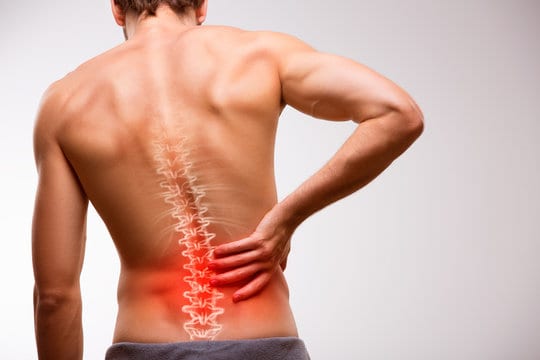
Back Pain Treatment
Lower back pain, sciatica, stiffness
[View Treatment]
Knee Pain Treatment
Injury, strain, instability
[View Treatment]
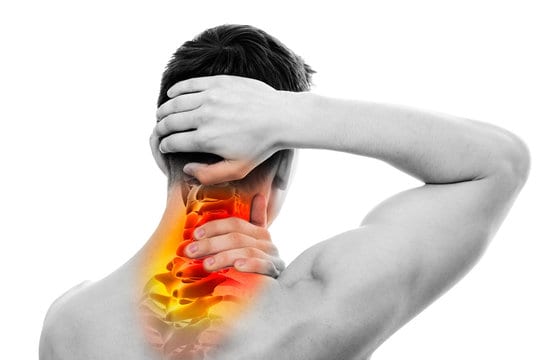
Neck & Shoulder Treatment
Stiffness, headaches, posture pain
[View Treatment]
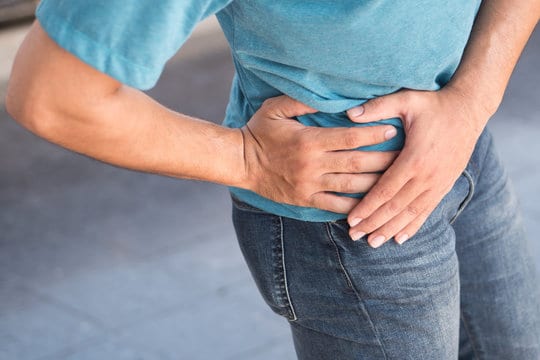
Hip Pain Treatment
Walking pain, stiffness, groin pain
[View Treatment]

Comprehensive, Hands-On Care for Lasting Results
Osteopathy is a holistic approach to healthcare that focuses on diagnosing, treating, and preventing musculoskeletal problems. Unlike treatments that simply address symptoms, osteopaths work to identify and treat the root cause of your pain, helping you achieve long-term relief and better overall health. Whether you're dealing with chronic discomfort or a recent injury, an experienced Brisbane osteopath can provide personalised care tailored to your specific needs.
Osteopaths use a variety of hands-on techniques to improve mobility, reduce tension, and restore balance to your body. These include gentle stretching, massage, joint mobilisation, and manipulation. Each treatment is carefully designed based on a thorough assessment of your posture, movement patterns, and medical history. This comprehensive approach means that osteopathy can effectively address a wide range of conditions, from acute injuries to ongoing pain management.
Back pain is one of the most common reasons people seek osteopathic care. Whether it's lower back pain from sitting at a desk all day, a sports-related injury, or chronic stiffness, osteopaths have the skills to help. By releasing tight muscles, improving joint mobility, and addressing postural imbalances, treatment can significantly reduce pain and help you return to your normal activities. Many patients find that regular osteopathic sessions prevent back problems from returning.
Neck pain is another frequent complaint, often caused by poor posture, stress, or prolonged computer use. Osteopaths gently work on the neck, shoulders, and upper back to relieve tension, improve range of motion, and reduce headaches that often accompany neck problems. Treatment may also include advice on ergonomics and exercises to strengthen supporting muscles.
Hip pain can be particularly debilitating, affecting your ability to walk, sleep, and enjoy daily activities. Osteopaths assess not just the hip joint itself, but also the lower back, pelvis, and legs, as hip problems often stem from or contribute to issues in surrounding areas. By addressing the whole kinetic chain, osteopathic treatment can provide lasting relief and improve your overall mobility.
One of the key benefits of osteopathy is its focus on prevention. Rather than waiting for pain to return, your osteopath will work with you to identify factors that may be contributing to your problems. This might include postural habits, workplace ergonomics, exercise techniques, or lifestyle factors. You'll receive practical advice and exercises to help you maintain improvements between sessions and reduce the risk of future injury.
If you're in the Brisbane area, seeing a local practitioner offers significant advantages. A Brisbane osteopath understands the lifestyle factors common to the area—from active outdoor pursuits to commuter stress—and can provide relevant, practical advice. For residents in and around Kangaroo Point, convenient access to quality osteopathic care means you can easily fit treatment into your schedule, whether you need a single session for an acute issue or ongoing care for chronic conditions.
Our clinic provides a welcoming, professional environment where your health is our priority. We take the time to listen to your concerns, explain our findings, and involve you in your treatment plan. Many patients are surprised by how quickly they notice improvements and how much better they feel with regular care.
Don't let pain limit your life. Whether you're experiencing back pain, neck pain, hip pain, or any other musculoskeletal issue, osteopathy offers a safe, effective, drug-free approach to relief. With the right treatment and guidance, you can move better, feel stronger, and enjoy life more fully. Contact us today to book an appointment and discover how osteopathy can help you achieve lasting results.
Speak directly with an osteopath to ask questions
and understand your options before booking.
Call the team (07) 3217 3131
Recent Posts
 Best Sleeping Positions for Back and Neck Pain
 Warm-Up Routine to Prevent Lower Back Injury Before Exercise
 How to Set Up an Ergonomic Home Office (Osteopath-Approved)
Categories
ArthritisBack Pain
Chest Pain
Elbow Pain
Exercise
Flexibility
Foot pain
Hands
Headaches
Health Tips
Hip Pain
Knee Pain
Mindfulness
Neck & Shoulder Pain
Osteopathy
Osteoworks
Pain Management
Physical Therapy
Posture
Rest
Sleep
Sports Injuries
Stretches
Wellness