
"Almost Daily Health Tips From Our Osteopath Team"
Use the Form Below to Get Them All Sent to You for FREE
Osteopath Kangaroo Point: What to Expect at Your First Appointment
Booking your first osteopath appointment is a positive step toward feeling better — but it's natural to feel a little unsure about what's involved. Whether you're dealing with persistent back pain, a sports injury, or stiffness that's been creeping in for months, understanding the process can help you arrive relaxed and ready to get the most from your visit. Here's what to expect at your first appointment at our Kangaroo Point clinic.
Before You Arrive
When you book, our team will ask a few brief questions about your main concern so your osteopath can prepare. Wear comfortable, loose-fitting clothing that allows easy movement — activewear or relaxed fit clothing works well. You don't need to bring anything special, though any recent scans or reports (such as X-rays or MRIs) related to your concern are helpful if you have them.
Case History and Discussion
Your first appointment typically lasts 45 to 60 minutes. It begins with a conversation. Your osteopath will ask about:
- The history of your current problem — when it started, what makes it better or worse
- Your general health, previous injuries, and any medical conditions
- Your work, lifestyle, and activity levels
- What you'd like to achieve from treatment — your goals matter
This discussion helps your osteopath understand not just where it hurts, but why it might be happening. Osteopathy takes a whole-body approach, so expect questions that go beyond the immediate area of pain.
Physical Assessment
Next, your osteopath will conduct a hands-on physical assessment. You'll be asked to perform some simple movements so they can observe your range of motion, posture, and how different areas of your body move together. They'll also use their hands to gently assess joint mobility, muscle tension, and tissue quality.
The assessment is thorough but comfortable. Your osteopath will explain what they're checking and why, and you're welcome to ask questions at any stage.
Your First Treatment
In most cases, you'll receive treatment during your first appointment. Based on the assessment findings, your osteopath will explain the treatment plan and what techniques they recommend. Treatment may include:
- Gentle joint mobilisation and manipulation
- Soft tissue and massage techniques to release tight muscles
- Stretching and movement guidance
- Advice on posture, ergonomics, or activity modification
Treatment is always tailored to your comfort level. If you're nervous about any technique — particularly joint manipulation — let your osteopath know. There are always alternative approaches.
After Your Appointment
Before you leave, your osteopath will discuss a plan going forward. This may include recommended exercises, follow-up appointments, and simple lifestyle adjustments. Most people feel some improvement after their first session, though lasting change often builds over a few treatments as your body adapts.
It's common to feel mildly sore for a day or two after treatment — similar to the feeling after exercise. This is normal and usually settles quickly.
"Your first appointment is about understanding your body, building a plan, and starting the journey toward real recovery — not just a quick fix."
Ready to book your first appointment? Schedule online with our Kangaroo Point osteopath today.
Frequently Asked Questions
How long is the first osteopath appointment?
Your initial appointment typically lasts 45 to 60 minutes, allowing time for a thorough case history, physical assessment, and your first treatment.
Do I need a referral to see an osteopath?
No, you don't need a referral. You can book directly with an osteopath. If you're claiming through a private health fund, check with your provider about coverage for osteopathic treatment.
What should I wear to my first appointment?
Wear comfortable, loose-fitting clothing that allows easy movement. Activewear or relaxed fit clothing is ideal. You may be asked to remove outer layers so your osteopath can assess your posture and movement.
Will treatment hurt?
Most osteopathic treatment is gentle and comfortable. Some techniques may cause mild, temporary discomfort as tight areas are released, but your osteopath will always work within your comfort level and adjust their approach if needed.
script type="application/ld+json">{"@context":"https://schema.org","@type":"FAQPage","mainEntity":[{"@type":"Question","name":"How long is the first osteopath appointment?","acceptedAnswer":{"@type":"Answer","text":"Your initial appointment typically lasts 45 to 60 minutes, allowing time for a thorough case history, physical assessment, and your first treatment."}},{"@type":"Question","name":"Do I need a referral to see an osteopath?","acceptedAnswer":{"@type":"Answer","text":"No, you don't need a referral. You can book directly with an osteopath. If you're claiming through a private health fund, check with your provider about coverage for osteopathic treatment."}},{"@type":"Question","name":"What should I wear to my first appointment?","acceptedAnswer":{"@type":"Answer","text":"Wear comfortable, loose-fitting clothing that allows easy movement. Activewear or relaxed fit clothing is ideal. You may be asked to remove outer layers so your osteopath can assess your posture and movement."}},{"@type":"Question","name":"Will treatment hurt?","acceptedAnswer":{"@type":"Answer","text":"Most osteopathic treatment is gentle and comfortable. Some techniques may cause mild, temporary discomfort as tight areas are released, but your osteopath will always work within your comfort level and adjust their approach if needed."}}]}Frequently Asked Questions
Osteopathy Treatments in Brisbane
Select your area of pain to get clear answers and the right treatment.
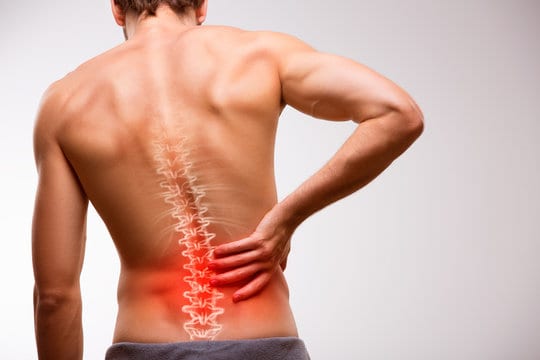
Back Pain Treatment
Lower back pain, sciatica, stiffness
[View Treatment]
Knee Pain Treatment
Injury, strain, instability
[View Treatment]
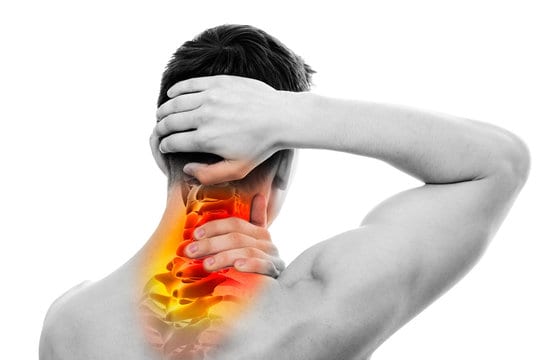
Neck & Shoulder Treatment
Stiffness, headaches, posture pain
[View Treatment]

Hip Pain Treatment
Walking pain, stiffness, groin pain
[View Treatment]

Comprehensive, Hands-On Care for Lasting Results
Osteopathy is a holistic approach to healthcare that focuses on diagnosing, treating, and preventing musculoskeletal problems. Unlike treatments that simply address symptoms, osteopaths work to identify and treat the root cause of your pain, helping you achieve long-term relief and better overall health. Whether you're dealing with chronic discomfort or a recent injury, an experienced Brisbane osteopath can provide personalised care tailored to your specific needs.
Osteopaths use a variety of hands-on techniques to improve mobility, reduce tension, and restore balance to your body. These include gentle stretching, massage, joint mobilisation, and manipulation. Each treatment is carefully designed based on a thorough assessment of your posture, movement patterns, and medical history. This comprehensive approach means that osteopathy can effectively address a wide range of conditions, from acute injuries to ongoing pain management.
Back pain is one of the most common reasons people seek osteopathic care. Whether it's lower back pain from sitting at a desk all day, a sports-related injury, or chronic stiffness, osteopaths have the skills to help. By releasing tight muscles, improving joint mobility, and addressing postural imbalances, treatment can significantly reduce pain and help you return to your normal activities. Many patients find that regular osteopathic sessions prevent back problems from returning.
Neck pain is another frequent complaint, often caused by poor posture, stress, or prolonged computer use. Osteopaths gently work on the neck, shoulders, and upper back to relieve tension, improve range of motion, and reduce headaches that often accompany neck problems. Treatment may also include advice on ergonomics and exercises to strengthen supporting muscles.
Hip pain can be particularly debilitating, affecting your ability to walk, sleep, and enjoy daily activities. Osteopaths assess not just the hip joint itself, but also the lower back, pelvis, and legs, as hip problems often stem from or contribute to issues in surrounding areas. By addressing the whole kinetic chain, osteopathic treatment can provide lasting relief and improve your overall mobility.
One of the key benefits of osteopathy is its focus on prevention. Rather than waiting for pain to return, your osteopath will work with you to identify factors that may be contributing to your problems. This might include postural habits, workplace ergonomics, exercise techniques, or lifestyle factors. You'll receive practical advice and exercises to help you maintain improvements between sessions and reduce the risk of future injury.
If you're in the Brisbane area, seeing a local practitioner offers significant advantages. A Brisbane osteopath understands the lifestyle factors common to the area—from active outdoor pursuits to commuter stress—and can provide relevant, practical advice. For residents in and around Kangaroo Point, convenient access to quality osteopathic care means you can easily fit treatment into your schedule, whether you need a single session for an acute issue or ongoing care for chronic conditions.
Our clinic provides a welcoming, professional environment where your health is our priority. We take the time to listen to your concerns, explain our findings, and involve you in your treatment plan. Many patients are surprised by how quickly they notice improvements and how much better they feel with regular care.
Don't let pain limit your life. Whether you're experiencing back pain, neck pain, hip pain, or any other musculoskeletal issue, osteopathy offers a safe, effective, drug-free approach to relief. With the right treatment and guidance, you can move better, feel stronger, and enjoy life more fully. Contact us today to book an appointment and discover how osteopathy can help you achieve lasting results.
Speak directly with an osteopath to ask questions
and understand your options before booking.
Call the team (07) 3217 3131
Recent Posts
 Best Sleeping Positions for Back and Neck Pain
 Warm-Up Routine to Prevent Lower Back Injury Before Exercise
 How to Set Up an Ergonomic Home Office (Osteopath-Approved)
Categories
ArthritisBack Pain
Chest Pain
Elbow Pain
Exercise
Flexibility
Foot pain
Hands
Headaches
Health Tips
Hip Pain
Knee Pain
Mindfulness
Neck & Shoulder Pain
Osteopathy
Osteoworks
Pain Management
Physical Therapy
Posture
Rest
Sleep
Sports Injuries
Stretches
Wellness