
"Almost Daily Health Tips From Our Osteopath Team"
Use the Form Below to Get Them All Sent to You for FREE
A Local's Guide to Staying Active Around Kangaroo Point (and Avoiding Injury)
We're lucky here in Kangaroo Point: some of Brisbane's best training grounds are on our doorstep. But with more activity comes more strain — and we see the injuries that follow. Here's how to make the most of our patch while keeping your body in working order.
The Kangaroo Point Playground
- The Cliff stairs and river loop: world-class stair training and a flat walk/run along the Brisbane River — but sudden stair programs are a classic shin and knee aggravator.
- Rock climbing: the cliffs draw climbers from across Brisbane; fingers, shoulders and elbows take the load.
- Riverside gyms and group training: bootcamps and HIIT classes deliver great fitness — and a steady stream of shoulder and lower back strains when load ramps too fast.
- CityCat hopping + walking: underrated — structured walks with real distance.
Staying Injury-Free While You're At It
- Progress gradually: the 10% rule — don't increase your weekly load by much more than 10%.
- Warm up for what you're about to do: two to three minutes of movement beats static stretching before activity.
- Balance your program: if stairs or hills are your cardio, add strength work for hips, glutes and upper back.
- Respect niggles: a niggle assessed early costs days; ignored, it costs months.
When to Get It Looked At
Pain that alters your technique, recurs every session, or lingers into the next day is your body reporting a problem. Osteopaths are movement specialists: we assess the whole chain — feet, hips, spine, shoulders — find what's overloading, and get you back to your training sooner.
Easy Ways to Move More Around Kangaroo Point
You don't need a gym membership to stay (or get) active around Kangaroo Point — though we're lucky to have a few excellent ones nearby. The neighbourhood offers low-friction ways to move that protect your back rather than punishing it.
The Kangaroo Point Cliffs staircase is a genuine workout, but it's also a prime opportunity to practise knee-friendly technique: stepping up through the heel, keeping the torso tall, and not rushing. The riverside walk toward the Story Bridge is flat and social — ideal for a daily lunchtime reset that loosens a stiff back from sitting. For strength, the outdoor equipment near the cliffs lets you add bodyweight work without committing to a full gym session.
If you're dealing with a niggle, the smartest move is to keep walking but swap the aggravating activity temporarily — your osteopath can tell you which movements to favour and which to park while things settle. Staying active through most injuries is better than total rest, as long as you're loading the right tissues.
Frequently Asked QuestionsIs the Kangaroo Point stair climb hard on the knees?
Done progressively with adequate leg strength, stair work is excellent training. Sharp pain during or after, or swelling, means it's time for an assessment.
What's the best warm-up before climbing?
Light cardio to raise your heart rate, then dynamic shoulder, wrist and finger preparation — and easy routes before hard ones.
Move More Around the Point
One of the best physio prescriptions in Brisbane is free and starts at your doorstep. The Kangaroo Point Cliffs parklands give you stairs, grassy slopes and a riverside loop; the riverwalk connects you to kilometres of flat, scenic running and walking toward the Story Bridge and the City Botanic Gardens; and the local gyms and studios — plus the pool options across the river — cover everything from strength to low-impact cardio. For most aching backs and stiff hips, the problem is not too much movement — it is too little variety: the same desk, the same commute, the same three movements every day.
Build a simple weekly rhythm: two brisk riverwalks, one stair or hill session, and two short strength or mobility sessions. That is a genuinely complete program — no membership required.
Staying Injury-Free While You Are At It
- Warm up before stair and hill sessions — cold, steep efforts are a classic calf and Achilles trap.
- Increase one variable at a time: distance or intensity, never both in the same week.
- Strength train the bits exercise skips — glutes, calves, mid-back — twice a week.
- Respect the 10% rule: jump your weekly load by roughly a tenth, not a third.
- Treat two-week niggles as worth an assessment; they are cheaper than three-month injuries.
Frequently Asked Questions
Your Next Step
Make the most of everything Kangaroo Point offers — pain-free. Book a movement assessment at Osteoworks before your next training block.
Book an appointment online or contact our Kangaroo Point clinic.
You may also find these helpful: our Knee Pain treatment page, Osteopathy for Runners: Preventing Common Overuse Injuries, Should You Stretch Before or After a Run? What the Evidence Says, 5 Signs You Need to See an Osteopath, Not Just Wait It Out.
About Osteoworks
Osteoworks is an osteopathic clinic in Kangaroo Point, Brisbane. Our osteopaths take a hands-on, whole-body approach — we look for the underlying cause of your pain rather than simply treating the symptom. Meet the team or learn more about osteopathy.
Osteopathy Treatments in Brisbane
Select your area of pain to get clear answers and the right treatment.
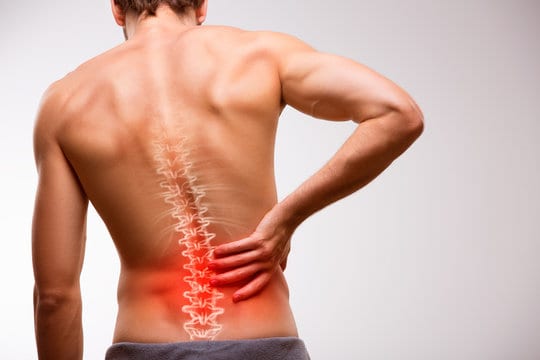
Back Pain Treatment
Lower back pain, sciatica, stiffness
[View Treatment]
Knee Pain Treatment
Injury, strain, instability
[View Treatment]
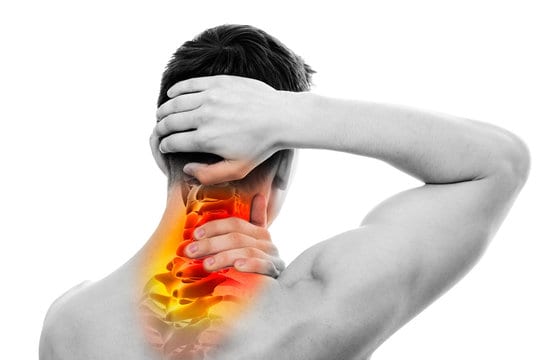
Neck & Shoulder Treatment
Stiffness, headaches, posture pain
[View Treatment]

Hip Pain Treatment
Walking pain, stiffness, groin pain
[View Treatment]

Comprehensive, Hands-On Care for Lasting Results
Osteopathy is a holistic approach to healthcare that focuses on diagnosing, treating, and preventing musculoskeletal problems. Unlike treatments that simply address symptoms, osteopaths work to identify and treat the root cause of your pain, helping you achieve long-term relief and better overall health. Whether you're dealing with chronic discomfort or a recent injury, an experienced Brisbane osteopath can provide personalised care tailored to your specific needs.
Osteopaths use a variety of hands-on techniques to improve mobility, reduce tension, and restore balance to your body. These include gentle stretching, massage, joint mobilisation, and manipulation. Each treatment is carefully designed based on a thorough assessment of your posture, movement patterns, and medical history. This comprehensive approach means that osteopathy can effectively address a wide range of conditions, from acute injuries to ongoing pain management.
Back pain is one of the most common reasons people seek osteopathic care. Whether it's lower back pain from sitting at a desk all day, a sports-related injury, or chronic stiffness, osteopaths have the skills to help. By releasing tight muscles, improving joint mobility, and addressing postural imbalances, treatment can significantly reduce pain and help you return to your normal activities. Many patients find that regular osteopathic sessions prevent back problems from returning.
Neck pain is another frequent complaint, often caused by poor posture, stress, or prolonged computer use. Osteopaths gently work on the neck, shoulders, and upper back to relieve tension, improve range of motion, and reduce headaches that often accompany neck problems. Treatment may also include advice on ergonomics and exercises to strengthen supporting muscles.
Hip pain can be particularly debilitating, affecting your ability to walk, sleep, and enjoy daily activities. Osteopaths assess not just the hip joint itself, but also the lower back, pelvis, and legs, as hip problems often stem from or contribute to issues in surrounding areas. By addressing the whole kinetic chain, osteopathic treatment can provide lasting relief and improve your overall mobility.
One of the key benefits of osteopathy is its focus on prevention. Rather than waiting for pain to return, your osteopath will work with you to identify factors that may be contributing to your problems. This might include postural habits, workplace ergonomics, exercise techniques, or lifestyle factors. You'll receive practical advice and exercises to help you maintain improvements between sessions and reduce the risk of future injury.
If you're in the Brisbane area, seeing a local practitioner offers significant advantages. A Brisbane osteopath understands the lifestyle factors common to the area—from active outdoor pursuits to commuter stress—and can provide relevant, practical advice. For residents in and around Kangaroo Point, convenient access to quality osteopathic care means you can easily fit treatment into your schedule, whether you need a single session for an acute issue or ongoing care for chronic conditions.
Our clinic provides a welcoming, professional environment where your health is our priority. We take the time to listen to your concerns, explain our findings, and involve you in your treatment plan. Many patients are surprised by how quickly they notice improvements and how much better they feel with regular care.
Don't let pain limit your life. Whether you're experiencing back pain, neck pain, hip pain, or any other musculoskeletal issue, osteopathy offers a safe, effective, drug-free approach to relief. With the right treatment and guidance, you can move better, feel stronger, and enjoy life more fully. Contact us today to book an appointment and discover how osteopathy can help you achieve lasting results.
Speak directly with an osteopath to ask questions
and understand your options before booking.
Call the team (07) 3217 3131
Recent Posts
 Best Sleeping Positions for Back and Neck Pain
 Warm-Up Routine to Prevent Lower Back Injury Before Exercise
 How to Set Up an Ergonomic Home Office (Osteopath-Approved)
Categories
ArthritisBack Pain
Chest Pain
Elbow Pain
Exercise
Flexibility
Foot pain
Hands
Headaches
Health Tips
Hip Pain
Knee Pain
Mindfulness
Neck & Shoulder Pain
Osteopathy
Osteoworks
Pain Management
Physical Therapy
Posture
Rest
Sleep
Sports Injuries
Stretches
Wellness