

"Almost Daily Health Tips From Our Osteopath Team"
Use the Form Below to Get Them All Sent to You for FREE
Breathing Well – Increase Lung Capacity [pt. 1]
The Importance of Proper Breathing
Breathing is something we do automatically, around 20,000 times per day, yet many of us don't give it a second thought. Proper breathing is fundamental to our overall health and wellbeing, affecting everything from our nervous system to our emotional state.
Why Breathing Matters
When we breathe deeply and fully, we:
- Oxygenate our blood – delivering vital oxygen to every cell in the body
- Reduce stress and anxiety – activating the parasympathetic nervous system
- Improve posture – engaging the diaphragm supports spinal stability
- Enhance focus and mental clarity – proper oxygen flow supports brain function
- Support immune function – deep breathing helps lymphatic circulation
- Reduce muscle tension – particularly in the neck, shoulders, and back
Signs You May Not Be Breathing Optimally
Many people develop shallow, chest-based breathing patterns due to stress, poor posture, or sedentary lifestyles. Common signs include:
- Frequent sighing or yawning
- Tightness in the chest or shoulders
- Feeling breathless with mild exertion
- Tension headaches
- Difficulty relaxing or sleeping
How an Osteopath Can Help
Osteopaths are uniquely positioned to address breathing dysfunction because they understand the intricate relationship between structure and function. Breathing involves not just the lungs, but a complex interplay of muscles, joints, and fascia throughout the ribcage, spine, and diaphragm.
Structural Assessment
An osteopath will assess your thoracic spine mobility, rib movement, and diaphragm function. Restrictions in any of these areas can significantly impact your breathing capacity. They may identify:
- Restricted rib joints that limit chest expansion
- Thoracic spine stiffness affecting rib movement
- Tight respiratory muscles (intercostals, scalenes, pectorals)
- Diaphragm tension or weakness
- Postural imbalances affecting breathing mechanics
Hands-On Treatment
Using gentle manual techniques, an osteopath can:
- Release tight muscles – addressing trigger points in the neck, chest, and back
- Mobilise ribs and spine – improving the mechanical efficiency of breathing
- Release diaphragm tension – allowing fuller, deeper breaths
- Improve posture – creating optimal space for lung expansion
- Address contributing factors – such as stress patterns or old injuries
Exercise Prescription
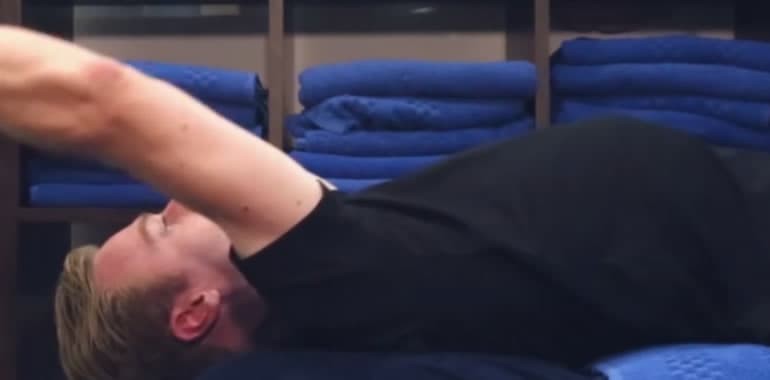
Your osteopath can provide tailored exercises to reinforce treatment, including diaphragmatic breathing techniques, stretches for tight muscles, and postural corrections. This video demonstrates a simple chest-opening exercise to help increase lung capacity:
This is a simple, yet effective chest-opening exercise. For extra resistance, feel free to add some light weight.
Take the First Step
If you notice tension in your chest, shoulders, or back, or feel you're not breathing as deeply as you could, consider booking an appointment with an osteopath. Addressing breathing dysfunction can have profound effects on your energy levels, stress management, and overall quality of life.
Osteopathy Treatments
Back PainNeck & Shoulder Pain
Shoulder Pain
Headaches
Hip Pain
Sciatica
Knee Pain
Sports Injuries
Pregnancy Osteopathy
Upper Back Pain
Recent Posts
 Best Sleeping Positions for Back and Neck Pain
 Warm-Up Routine to Prevent Lower Back Injury Before Exercise
 How to Set Up an Ergonomic Home Office (Osteopath-Approved)
Categories
ArthritisBack Pain
Chest Pain
Elbow Pain
Exercise
Flexibility
Foot pain
Hands
Headaches
Health Tips
Hip Pain
Knee Pain
Mindfulness
Neck & Shoulder Pain
Osteopathy
Osteoworks
Pain Management
Physical Therapy
Posture
Rest
Sleep
Sports Injuries
Stretches
Wellness