
"Almost Daily Health Tips From Our Osteopath Team"
Use the Form Below to Get Them All Sent to You for FREE
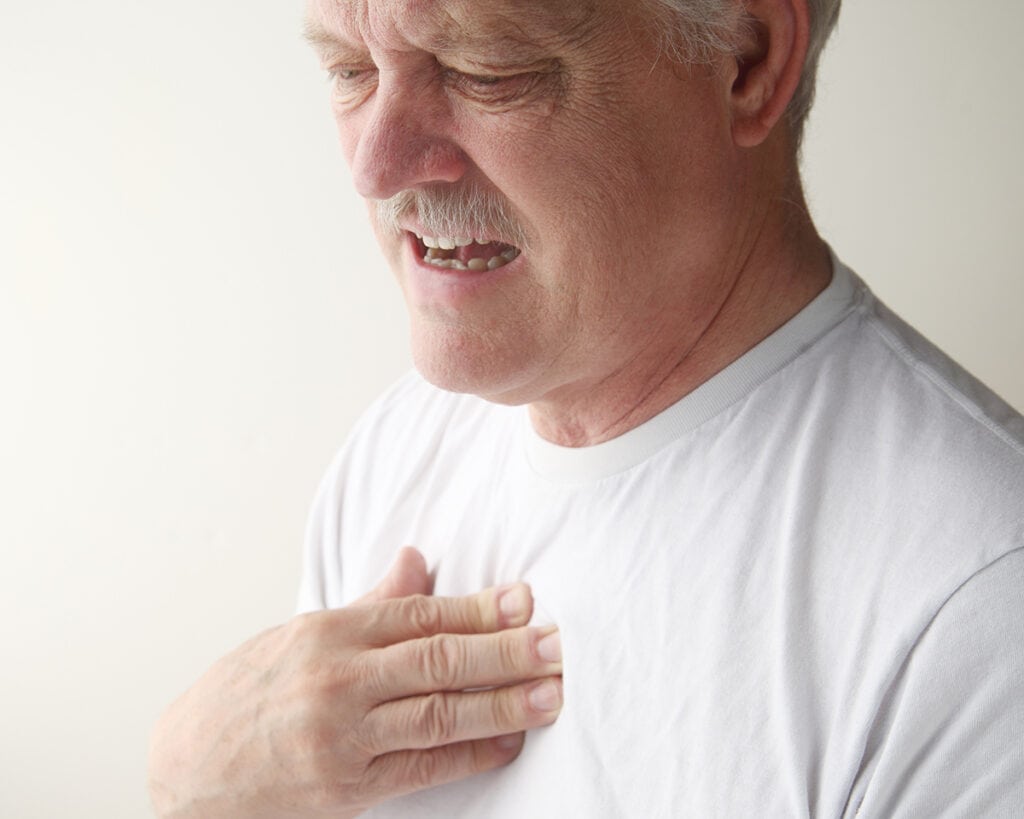
How To Tell If Your Chest Pain Is Muscular?
Chest pain can be a frightening and confusing experience, particularly if you’re unsure what the cause is. Chest pain is often caused by muscle strains or other issues involving your musculoskeletal system. However, depending on the severity of your symptoms, knowing when it could indicate something more serious with your cardiovascular system – such as lung problems, arrhythmias, or even a heart attack is essential.
Understanding the potential causes of chest pain is essential for you to receive appropriate treatment. The most common causes of chest pain are gastroesophageal reflux disease (GERD), angina, or a heart issue. However, chest pain can also indicate symptoms of conditions like pneumonia, anxiety, or even muscle strains.
So, if you have recently had an episode of chest pain or are just looking for information on whether your chest pain is muscular or not, this article provides critical insight into recognising and understanding the root causes of this type of discomfort.

Understand Your Chest Pain
– identify the type, frequency, and location of the pain.
We need to understand the characteristics of your pain before we can address it properly. Identifying your pain’s type, frequency, and location provides crucial information for determining the cause and appropriate treatment.
- Is your chest pain sharp and stabbing or dull and aching?
- Does it occur suddenly or gradually, and how often?
- Is it centralised, or does it radiate to other areas?
Your answers to these questions help us understand where your pain is coming from and how best to alleviate it. Also, pay attention to what triggers the pain – physical activity or emotional stressors.
Chest pain is tricky to navigate, especially when it seems out of nowhere. But taking the time to notice what triggers your pain can be a game changer; so working out, whether physical activity sets it off or emotional stress and tension that sends your pain levels soaring, can be helpful. All this information can help you manage your pain more effectively. Whether taking breaks during exercise or practising mindfulness to reduce emotional stress, paying attention to your triggers can bring much-needed relief. So, take a moment to listen to your body and identify what sets your pain in motion.
Monitoring any changes over time can also be helpful. Pay close attention to the intensity of the pain – is it getting worse, staying the same, or improving? Keeping track of these changes can play a crucial role in determining the next steps for treatment. By monitoring changes in your chest pain, you are taking an active role in your health and ensuring the best possible outcome.
Consider whether you have any relevant family history. Are there any heart conditions in your family that may increase your risk?
Your family history can reveal a lot about your health risks, so it’s worth taking a closer look at your family tree, specifically regarding heart conditions. Certain genetic factors can increase risk . If you have a family member who has suffered from heart disease, it’s important to let your doctor know and work on keeping your heart healthy to reduce your risk of developing the disease. By being proactive, you can protect your heart and live a healthy, active life for many years.
But most importantly, please take chest pain seriously. If you’re experiencing severe chest pain or other concerning symptoms, you must consult a doctor for a thorough evaluation. They can rule out more serious ailments that may be causing your symptoms. Your doctor may order imaging tests or physical exams to understand better what’s happening. ‘
If your doctor rules out heart and lung issues and other underlying medical conditions, the source of your pain is likely to be a musculoskeletal issue.
How To Manage Muscular Chest Pain
Muscular chest pain can be a source of intense discomfort, but there are ways to manage it effectively. It’s important to find the root cause of the pain to find relief. Often, it’s related to poor spinal alignment and associated muscle tension in the upper body. Osteopathy is great for this type of chest pain. But you bolster the effects of osteopathy to help alleviate this type of chest pain and prevent future episodes by making lifestyle modifications such as introducing stretching, deep breathing exercises, and stress reduction techniques into your daily routine.
Along with osteopathy and stress reduction, paying close attention to your diet and hydration levels and exercising regularly can also play an important role in controlling muscular chest pain.
With our support, guidance, and simple lifestyle changes, you can regain control of your well-being and enjoy a more comfortable, pain-free life.
How Does Osteopathy Help With Chest Pain?
As we go through life, our bodies take quite a beating. Whether through age, injury, or repetitive actions, certain conditions can cause discomfort and pain. Osteopathic medicine provides a holistic approach to addressing these common ailments. For instance, people with arthritis may find relief through osteopathic manipulation techniques that improve blood flow and reduce inflammation. Back and neck pain can also be treated through targeted exercises and stretching. Even carpal tunnel syndrome, which can be debilitating for those who work at a computer all day, can be alleviated through osteopathic treatment. Working with a trained practitioner can significantly improve your quality of life and regain your range of motion and mobility.
If you suffer from muscular chest pain, you might assume that medication or surgery is the only way to find relief. However, you may be surprised to learn that osteopathy can help with chest pain.
Osteopaths are experts in manual medicine. We use our musculoskeletal expertise to diagnose and treat various conditions that result in muscular chest pain symptoms. But most importantly, we analyse the root cause of your chest pain and alleviate it through targeted treatment. By delving deeper into the source of your pain rather than providing quick fixes, we can help ease short-term and long-term symptoms. We also help you manage the underlying tightness and tension that causes this type of chest pain.
But what is osteopathy, and how does it help fix muscular chest pain?
Osteopathy is a natural approach to health care that focuses on correcting imbalances in your body’s structure and function to help reduce pain, improve mobility, and promote overall well-being. We use gentle but firm manipulation techniques such as stretching and deep tissue massage to realign joints, muscles, connective tissues, nerves, and other structures to restore balance within the body. While traditional medical approaches treat the symptoms of illness or injury through medications and surgeries, we believe that all mental, physical, and emotional well-being are linked, so we focus on identifying the causes of ill health rather than simply alleviating their symptoms.
Osteopathy is a unique approach to treating physical ailments that emphasises the interconnectedness of the body’s systems. It is a manual therapy involving manipulating the spine to restore proper alignment and function. The body has an innate ability to heal itself, and we strive to facilitate this healing process by addressing the underlying causes of physical dysfunction rather than simply treating symptoms. This approach can be especially effective for treating conditions like chest pain, arthritis, and headaches and improving overall health and well-being. By taking a holistic approach to healing, we offer you a natural and non-invasive way to achieve optimal health and vitality.
It is based on four main principles: the body is a unit; the body has self-healing and self-regulating mechanisms; structure and function are interdependent; and rational treatment is based on understanding these principles. These principles guide our approach to diagnosis and treatment, emphasising the importance of treating the whole person rather than just their symptoms.
We use several types of treatments to help relieve pain and restore movement. Mobilisation is one method where we use gentle force to move your joints and stretch your muscles. Manipulation is another type of treatment to bring your bones back into alignment. Stretching is also beneficial for tight muscles, while massage therapy can also help ease tension and soothe your sore muscles. Each method has unique benefits, but we tailor the treatment to address your needs.
To relieve muscular chest pain specifically, we manipulate the muscles and joints in your chest area and realign your spine using various hands-on techniques, ultimately reducing pain and discomfort. We also improve your breathing function, making it an effective treatment if you experience anxiety or difficulty taking a full, deep breath.
The benefits of osteopathy for muscular chest pain include better flexibility, improved circulation, and reduced inflammation. By targeting the root cause, we can directly increase flexibility and reduce inflammation in the chest area, improving circulation, increasing blood flow to the affected area and reducing the possibility of getting chest pain.
Ready to move better and live pain-free? Book an appointment with Osteoworks today.
Osteopathy Treatments in Brisbane
Select your area of pain to get clear answers and the right treatment.
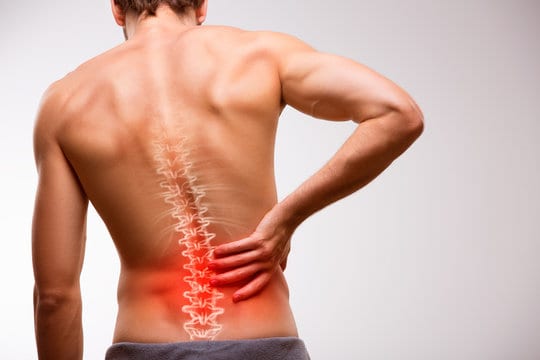
Back Pain Treatment
Lower back pain, sciatica, stiffness
[View Treatment]
Knee Pain Treatment
Injury, strain, instability
[View Treatment]
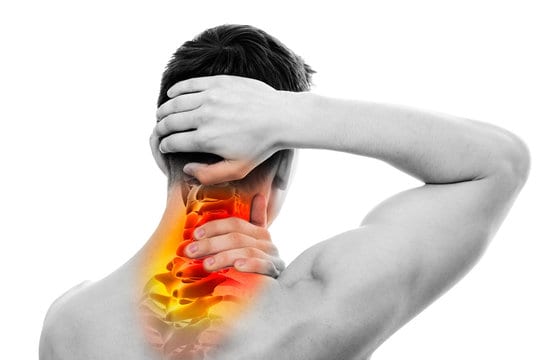
Neck & Shoulder Treatment
Stiffness, headaches, posture pain
[View Treatment]
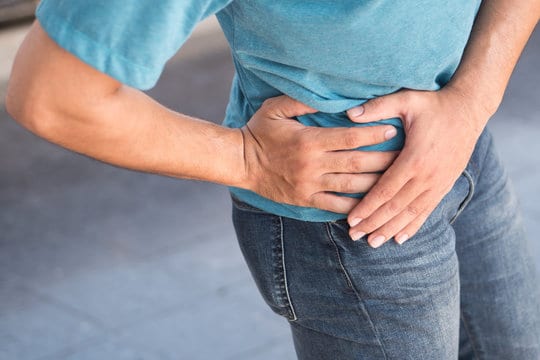
Hip Pain Treatment
Walking pain, stiffness, groin pain
[View Treatment]

Comprehensive, Hands-On Care for Lasting Results
Osteopathy is a holistic approach to healthcare that focuses on diagnosing, treating, and preventing musculoskeletal problems. Unlike treatments that simply address symptoms, osteopaths work to identify and treat the root cause of your pain, helping you achieve long-term relief and better overall health. Whether you're dealing with chronic discomfort or a recent injury, an experienced Brisbane osteopath can provide personalised care tailored to your specific needs.
Osteopaths use a variety of hands-on techniques to improve mobility, reduce tension, and restore balance to your body. These include gentle stretching, massage, joint mobilisation, and manipulation. Each treatment is carefully designed based on a thorough assessment of your posture, movement patterns, and medical history. This comprehensive approach means that osteopathy can effectively address a wide range of conditions, from acute injuries to ongoing pain management.
Back pain is one of the most common reasons people seek osteopathic care. Whether it's lower back pain from sitting at a desk all day, a sports-related injury, or chronic stiffness, osteopaths have the skills to help. By releasing tight muscles, improving joint mobility, and addressing postural imbalances, treatment can significantly reduce pain and help you return to your normal activities. Many patients find that regular osteopathic sessions prevent back problems from returning.
Neck pain is another frequent complaint, often caused by poor posture, stress, or prolonged computer use. Osteopaths gently work on the neck, shoulders, and upper back to relieve tension, improve range of motion, and reduce headaches that often accompany neck problems. Treatment may also include advice on ergonomics and exercises to strengthen supporting muscles.
Hip pain can be particularly debilitating, affecting your ability to walk, sleep, and enjoy daily activities. Osteopaths assess not just the hip joint itself, but also the lower back, pelvis, and legs, as hip problems often stem from or contribute to issues in surrounding areas. By addressing the whole kinetic chain, osteopathic treatment can provide lasting relief and improve your overall mobility.
One of the key benefits of osteopathy is its focus on prevention. Rather than waiting for pain to return, your osteopath will work with you to identify factors that may be contributing to your problems. This might include postural habits, workplace ergonomics, exercise techniques, or lifestyle factors. You'll receive practical advice and exercises to help you maintain improvements between sessions and reduce the risk of future injury.
If you're in the Brisbane area, seeing a local practitioner offers significant advantages. A Brisbane osteopath understands the lifestyle factors common to the area—from active outdoor pursuits to commuter stress—and can provide relevant, practical advice. For residents in and around Kangaroo Point, convenient access to quality osteopathic care means you can easily fit treatment into your schedule, whether you need a single session for an acute issue or ongoing care for chronic conditions.
Our clinic provides a welcoming, professional environment where your health is our priority. We take the time to listen to your concerns, explain our findings, and involve you in your treatment plan. Many patients are surprised by how quickly they notice improvements and how much better they feel with regular care.
Don't let pain limit your life. Whether you're experiencing back pain, neck pain, hip pain, or any other musculoskeletal issue, osteopathy offers a safe, effective, drug-free approach to relief. With the right treatment and guidance, you can move better, feel stronger, and enjoy life more fully. Contact us today to book an appointment and discover how osteopathy can help you achieve lasting results.
Speak directly with an osteopath to ask questions
and understand your options before booking.
Call the team (07) 3217 3131
Recent Posts
 Best Sleeping Positions for Back and Neck Pain
 Warm-Up Routine to Prevent Lower Back Injury Before Exercise
 How to Set Up an Ergonomic Home Office (Osteopath-Approved)
Categories
ArthritisBack Pain
Chest Pain
Elbow Pain
Exercise
Flexibility
Foot pain
Hands
Headaches
Health Tips
Hip Pain
Knee Pain
Mindfulness
Neck & Shoulder Pain
Osteopathy
Osteoworks
Pain Management
Physical Therapy
Posture
Rest
Sleep
Sports Injuries
Stretches
Wellness