"Almost Daily Health Tips From Our Osteopath Team"
Use the Form Below to Get Them All Sent to You for FREE
How Stress Shows Up in Your Body (and What to Do About It)
Stress isn't just in your head — it has an address. Tight shoulders, a clenched jaw, tension headaches, an irritable lower back: when your nervous system stays in fight-or-flight, your muscles pay the bill. If your pain flares during busy weeks, stress may be a bigger factor than you realise.
Where Stress Parks Itself
- Neck, shoulders and jaw: the classic tension triangle — shoulders creeping to the ears, jaw clenching through the day and night.
- Headaches: stress is a leading trigger for tension-type headaches.
- Lower back: sustained muscle guarding plus poor sleep lowers pain tolerance and slows recovery.
- Breathing: stress shifts breathing shallow and chest-dominant, overloading neck accessory muscles.
Why It Becomes a Pain Cycle
Stress increases muscle tone and pain sensitivity while suppressing sleep and recovery. Pain then creates more stress, which tightens muscles further. Breaking the cycle usually requires working on both ends — the physical tension and the nervous system state.
What Actually Helps
- Downshift the nervous system daily: slow nasal breathing (longer exhales), walks outdoors, genuine downtime.
- Release the physical tension: hands-on treatment eases the guarded muscles and restores movement, which itself calms the system.
- Protect sleep: pain and stress both sabotage sleep — and poor sleep amplifies both.
- Move gently but consistently: exercise is the most reliable stress metaboliser we have.
Practical Ways to Interrupt the Stress–Tension Cycle
Understanding that stress is showing up physically is the first step; the second is having a few reliable tools to interrupt the cycle before it lodges as chronic tension.
Breathing is the cheapest and most underused tool. Slow diaphragmatic breathing — a few rounds of a four-count inhale and a six-count exhale — shifts the nervous system out of fight-or-flight within minutes, which is why we often teach it as a complement to hands-on treatment. Movement matters too: a brisk walk, gentle yoga, or a swim can discharge built-up physical tension in a way that sitting with the stress never will.
On the treatment side, osteopathy addresses the physical residue of stress — the locked shoulders, the clenched jaw, the shallow breathing pattern — by restoring movement to the ribcage, spine, and diaphragm. Many patients describe feeling "lighter" and breathing more deeply straight after a session, which is the nervous system genuinely downshifting. Pairing occasional treatment with a daily stress-management practice produces better, longer-lasting results than either alone.
Frequently Asked QuestionsCan osteopathy help with stress?
Indirectly but genuinely — releasing physical tension, improving breathing mechanics and easing pain all reduce the body's stress load. We also refer to psychological support when stress is the primary driver.
Why do I get sick or sore after a stressful period ends?
It's a well-recognised pattern — during high stress your system stays in survival mode, then the crash arrives. Regular recovery habits reduce the rebound.
The Physical Signature of Stress
Stress rarely announces itself in words — it books appointments through the body. The evening jaw that aches from clenching you slept through. The shoulders that have crept toward your ears since the busy quarter started. The stomach that ties in knots, the sleep that thins out, the headaches that arrive on Sunday nights. Behind the scenes, sustained stress keeps muscles on low-grade guard, sharpens breathing into the chest and shoulders, disrupts deep sleep (the body's repair shift), and lowers the threshold at which normal aches register as pain. Two people can have the same desk posture and the same training load — the one running hot on stress is the one whose neck "goes".
Which means treating the body without acknowledging the stress rarely holds. The knot you release on Tuesday is re-tied by Wednesday's workload.
Interrupting the Stress–Tension Loop
- Breathe low and slow: five minutes of long exhales downregulates the guard response measurably.
- Walk without your phone — the cheapest nervous-system reset available.
- Protect sleep first; it is the multiplier on everything else, pain included.
- Strength training and yoga both discharge tension and build capacity — pick what you will actually do.
- Hands-on treatment helps release the physical guard pattern — jaw, neck, shoulders, diaphragm — and buys back comfortable movement while you work on the load itself.
Frequently Asked Questions
Your Next Step
If stress is living in your shoulders, jaw or back, book an appointment at Osteoworks. Releasing the physical tension is a genuinely good place to start.
Book an appointment online or contact our Kangaroo Point clinic.
You may also find these helpful: our Neck & Shoulder Pain treatment page, TMJ and Jaw Pain: Can an Osteopath Actually Help?, The Emotional Side of Chronic Pain: Why It's Not Just Physical, 5 Desk Stretches to Do Every Hour If You Sit for Work.
About Osteoworks
Osteoworks is an osteopathic clinic in Kangaroo Point, Brisbane. Our osteopaths take a hands-on, whole-body approach — we look for the underlying cause of your pain rather than simply treating the symptom. Meet the team or learn more about osteopathy.
Osteopathy Treatments in Brisbane
Select your area of pain to get clear answers and the right treatment.
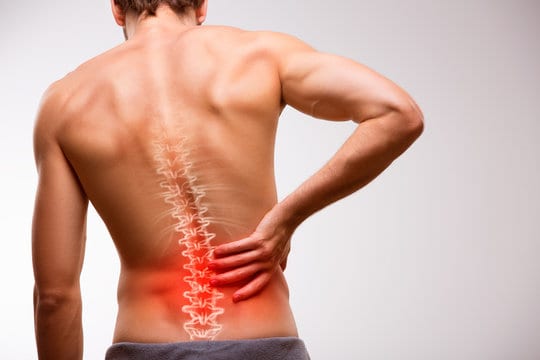
Back Pain Treatment
Lower back pain, sciatica, stiffness
[View Treatment]
Knee Pain Treatment
Injury, strain, instability
[View Treatment]
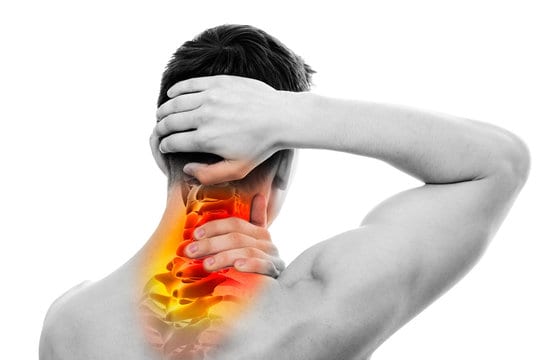
Neck & Shoulder Treatment
Stiffness, headaches, posture pain
[View Treatment]
Hip Pain Treatment
Walking pain, stiffness, groin pain
[View Treatment]
Comprehensive, Hands-On Care for Lasting Results
Osteopathy is a holistic approach to healthcare that focuses on diagnosing, treating, and preventing musculoskeletal problems. Unlike treatments that simply address symptoms, osteopaths work to identify and treat the root cause of your pain, helping you achieve long-term relief and better overall health. Whether you're dealing with chronic discomfort or a recent injury, an experienced Brisbane osteopath can provide personalised care tailored to your specific needs.
Osteopaths use a variety of hands-on techniques to improve mobility, reduce tension, and restore balance to your body. These include gentle stretching, massage, joint mobilisation, and manipulation. Each treatment is carefully designed based on a thorough assessment of your posture, movement patterns, and medical history. This comprehensive approach means that osteopathy can effectively address a wide range of conditions, from acute injuries to ongoing pain management.
Back pain is one of the most common reasons people seek osteopathic care. Whether it's lower back pain from sitting at a desk all day, a sports-related injury, or chronic stiffness, osteopaths have the skills to help. By releasing tight muscles, improving joint mobility, and addressing postural imbalances, treatment can significantly reduce pain and help you return to your normal activities. Many patients find that regular osteopathic sessions prevent back problems from returning.
Neck pain is another frequent complaint, often caused by poor posture, stress, or prolonged computer use. Osteopaths gently work on the neck, shoulders, and upper back to relieve tension, improve range of motion, and reduce headaches that often accompany neck problems. Treatment may also include advice on ergonomics and exercises to strengthen supporting muscles.
Hip pain can be particularly debilitating, affecting your ability to walk, sleep, and enjoy daily activities. Osteopaths assess not just the hip joint itself, but also the lower back, pelvis, and legs, as hip problems often stem from or contribute to issues in surrounding areas. By addressing the whole kinetic chain, osteopathic treatment can provide lasting relief and improve your overall mobility.
One of the key benefits of osteopathy is its focus on prevention. Rather than waiting for pain to return, your osteopath will work with you to identify factors that may be contributing to your problems. This might include postural habits, workplace ergonomics, exercise techniques, or lifestyle factors. You'll receive practical advice and exercises to help you maintain improvements between sessions and reduce the risk of future injury.
If you're in the Brisbane area, seeing a local practitioner offers significant advantages. A Brisbane osteopath understands the lifestyle factors common to the area—from active outdoor pursuits to commuter stress—and can provide relevant, practical advice. For residents in and around Kangaroo Point, convenient access to quality osteopathic care means you can easily fit treatment into your schedule, whether you need a single session for an acute issue or ongoing care for chronic conditions.
Our clinic provides a welcoming, professional environment where your health is our priority. We take the time to listen to your concerns, explain our findings, and involve you in your treatment plan. Many patients are surprised by how quickly they notice improvements and how much better they feel with regular care.
Don't let pain limit your life. Whether you're experiencing back pain, neck pain, hip pain, or any other musculoskeletal issue, osteopathy offers a safe, effective, drug-free approach to relief. With the right treatment and guidance, you can move better, feel stronger, and enjoy life more fully. Contact us today to book an appointment and discover how osteopathy can help you achieve lasting results.
Speak directly with an osteopath to ask questions
and understand your options before booking.
Call the team (07) 3217 3131
Recent Posts
 Best Sleeping Positions for Back and Neck Pain
 Warm-Up Routine to Prevent Lower Back Injury Before Exercise
 How to Set Up an Ergonomic Home Office (Osteopath-Approved)
Categories
ArthritisBack Pain
Chest Pain
Elbow Pain
Exercise
Flexibility
Foot pain
Hands
Headaches
Health Tips
Hip Pain
Knee Pain
Mindfulness
Neck & Shoulder Pain
Osteopathy
Osteoworks
Pain Management
Physical Therapy
Posture
Rest
Sleep
Sports Injuries
Stretches
Wellness