
"Almost Daily Health Tips From Our Osteopath Team"
Use the Form Below to Get Them All Sent to You for FREE
5 Desk Stretches to Do Every Hour If You Sit for Work
Your body isn't designed for eight hours in a chair. Muscles shorten, joints stiffen, circulation slows — and by 3pm your neck, shoulders and lower back start an argument. These five desk stretches, done for a couple of minutes every hour, are the antidote.
1. Chin Tucks
Sit tall, gently draw your head backwards (making a "double chin"), hold 5 seconds, repeat 10 times. Resets your head position over your spine and relieves neck strain after screen time.
2. Thoracic Extension Over the Chair
Place both hands behind your head and gently arch your upper back over the backrest, opening your chest. 5 slow repetitions. This undoes the constant forward curve of desk posture.
3. Seated Figure-4 Stretch
Cross your right ankle over your left knee, sit tall, and lean forward slightly from the hips until you feel a stretch in the right glute. Hold 30 seconds each side. Your hips will thank you.
4. Shoulder Blade Squeezes
Draw your shoulder blades gently together and down, hold 5 seconds, repeat 10 times. Wakes up the postural muscles that switch off when you slouch.
5. Standing Hip Flexor Stretch
Stand, step one foot back, tuck your tailbone slightly and feel the stretch at the front of the back hip. Hold 30 seconds each side. This directly targets the muscle that sitting shortens all day.
Make It a Habit
Set a recurring hourly reminder. Two minutes per hour beats a 20-minute stretch session once a week — frequency matters more than duration for desk-related stiffness. And if the same tight spot keeps coming back, that's a sign of an underlying movement problem worth assessing.
Making Stretches Stick: Building the Habit
Knowing the right stretches is only half the battle; the other half is actually doing them. The most reliable way to make hourly movement a habit is to anchor it to something you already do.
Link a stretch to a recurring cue — every time you send a long email, finish a meeting, or refill your water bottle, run through two of the movements. Within a couple of weeks the routine becomes automatic, and your body will start to request movement when you've been still too long. A simple phone timer or calendar nudge helps in the early stages until the habit takes hold.
Keep a resistance band or foam roller within arm's reach of your desk; friction is the enemy of consistency, and a stretch that requires walking to another room rarely happens. You don't need to complete all five every hour — cycling through a couple each break is plenty, as long as over the day you cover your neck, shoulders, mid-back and hips. Small, frequent movement beats one big stretching session, and your back will thank you for it by the end of the week.
Frequently Asked QuestionsDo standing desks replace stretching?
No — standing all day has its own loads. The goal is changing position regularly, whatever your desk setup.
How often should I actually do these?
Ideally every hour. Even 2–3 times a day is far better than nothing.
How to Actually Remember to Move at Your Desk
Knowing you should stretch every hour and actually doing it are different skills. Willpower fails by Wednesday; habits do not. Anchor each movement to something the workday already contains: finish an email, stand and reach; end a meeting, walk to refill your water; send a message, five slow shoulder rolls. Two minutes of movement per hour outperforms one heroic stretch session at the end of the day, because the problem is sustained stillness — not a lack of flexibility.
Set a repeating calendar event or use a break-reminder app if you must, but give the habit a trigger that already exists in your day and it will survive busy weeks.
Signs Your Desk Setup Needs Work (Not Just Your Stretching)
- Neck and shoulder ache that concentrates on one side — usually screen height or phone habits.
- Lower back fatigue by mid-afternoon — chair depth, lumbar support or total sitting time.
- Tingling forearms or sore wrists — keyboard and mouse position, or desk height.
- You feel dramatically better when working from a cafe or lounge — the body is voting on your setup.
If aches persist despite regular breaks and a reasonable setup, that is worth assessing — recurring workday pain usually responds fastest when treatment and ergonomics are fixed together.
Frequently Asked Questions
Your Next Step
Stretches help — but they work best on a body that's moving well to begin with. Book an assessment at Osteoworks and we'll tell you exactly which movements your body needs.
Book an appointment online or contact our Kangaroo Point clinic.
You may also find these helpful: our Back Pain treatment page, How Kangaroo Point Locals Are Beating Desk-Related Back Pain, Text Neck: How Phone Use Is Changing Your Spine, Lower Back Pain When Sitting All Day: Causes and Fixes.
About Osteoworks
Osteoworks is an osteopathic clinic in Kangaroo Point, Brisbane. Our osteopaths take a hands-on, whole-body approach — we look for the underlying cause of your pain rather than simply treating the symptom. Meet the team or learn more about osteopathy.
Osteopathy Treatments in Brisbane
Select your area of pain to get clear answers and the right treatment.
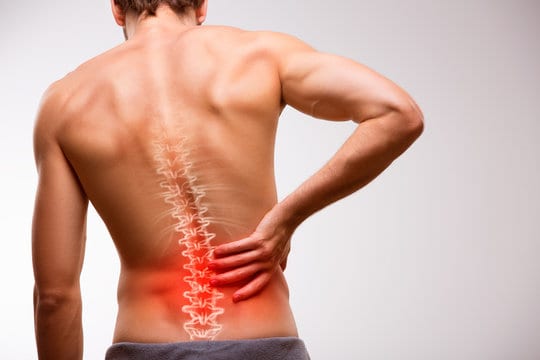
Back Pain Treatment
Lower back pain, sciatica, stiffness
[View Treatment]
Knee Pain Treatment
Injury, strain, instability
[View Treatment]

Neck & Shoulder Treatment
Stiffness, headaches, posture pain
[View Treatment]

Hip Pain Treatment
Walking pain, stiffness, groin pain
[View Treatment]

Comprehensive, Hands-On Care for Lasting Results
Osteopathy is a holistic approach to healthcare that focuses on diagnosing, treating, and preventing musculoskeletal problems. Unlike treatments that simply address symptoms, osteopaths work to identify and treat the root cause of your pain, helping you achieve long-term relief and better overall health. Whether you're dealing with chronic discomfort or a recent injury, an experienced Brisbane osteopath can provide personalised care tailored to your specific needs.
Osteopaths use a variety of hands-on techniques to improve mobility, reduce tension, and restore balance to your body. These include gentle stretching, massage, joint mobilisation, and manipulation. Each treatment is carefully designed based on a thorough assessment of your posture, movement patterns, and medical history. This comprehensive approach means that osteopathy can effectively address a wide range of conditions, from acute injuries to ongoing pain management.
Back pain is one of the most common reasons people seek osteopathic care. Whether it's lower back pain from sitting at a desk all day, a sports-related injury, or chronic stiffness, osteopaths have the skills to help. By releasing tight muscles, improving joint mobility, and addressing postural imbalances, treatment can significantly reduce pain and help you return to your normal activities. Many patients find that regular osteopathic sessions prevent back problems from returning.
Neck pain is another frequent complaint, often caused by poor posture, stress, or prolonged computer use. Osteopaths gently work on the neck, shoulders, and upper back to relieve tension, improve range of motion, and reduce headaches that often accompany neck problems. Treatment may also include advice on ergonomics and exercises to strengthen supporting muscles.
Hip pain can be particularly debilitating, affecting your ability to walk, sleep, and enjoy daily activities. Osteopaths assess not just the hip joint itself, but also the lower back, pelvis, and legs, as hip problems often stem from or contribute to issues in surrounding areas. By addressing the whole kinetic chain, osteopathic treatment can provide lasting relief and improve your overall mobility.
One of the key benefits of osteopathy is its focus on prevention. Rather than waiting for pain to return, your osteopath will work with you to identify factors that may be contributing to your problems. This might include postural habits, workplace ergonomics, exercise techniques, or lifestyle factors. You'll receive practical advice and exercises to help you maintain improvements between sessions and reduce the risk of future injury.
If you're in the Brisbane area, seeing a local practitioner offers significant advantages. A Brisbane osteopath understands the lifestyle factors common to the area—from active outdoor pursuits to commuter stress—and can provide relevant, practical advice. For residents in and around Kangaroo Point, convenient access to quality osteopathic care means you can easily fit treatment into your schedule, whether you need a single session for an acute issue or ongoing care for chronic conditions.
Our clinic provides a welcoming, professional environment where your health is our priority. We take the time to listen to your concerns, explain our findings, and involve you in your treatment plan. Many patients are surprised by how quickly they notice improvements and how much better they feel with regular care.
Don't let pain limit your life. Whether you're experiencing back pain, neck pain, hip pain, or any other musculoskeletal issue, osteopathy offers a safe, effective, drug-free approach to relief. With the right treatment and guidance, you can move better, feel stronger, and enjoy life more fully. Contact us today to book an appointment and discover how osteopathy can help you achieve lasting results.
Speak directly with an osteopath to ask questions
and understand your options before booking.
Call the team (07) 3217 3131
Recent Posts
 Best Sleeping Positions for Back and Neck Pain
 Warm-Up Routine to Prevent Lower Back Injury Before Exercise
 How to Set Up an Ergonomic Home Office (Osteopath-Approved)
Categories
ArthritisBack Pain
Chest Pain
Elbow Pain
Exercise
Flexibility
Foot pain
Hands
Headaches
Health Tips
Hip Pain
Knee Pain
Mindfulness
Neck & Shoulder Pain
Osteopathy
Osteoworks
Pain Management
Physical Therapy
Posture
Rest
Sleep
Sports Injuries
Stretches
Wellness