
"Almost Daily Health Tips From Our Osteopath Team"
Use the Form Below to Get Them All Sent to You for FREE
What Makes a Treatment Plan "Transformational" Instead of Just Symptom Management?
Most treatment, honestly, is symptom management: it settles this flare so you can get on with your week. There's nothing wrong with that — sometimes that's exactly what's needed. But if the same problem keeps returning, symptom management has quietly become the whole plan. Here's what separates the two.
Symptom Management: The Treadmill
Signs you're on the treadmill:
- You feel better after each visit, and worse again within weeks
- No one has clearly explained what's driving your pain
- There's no between-visit program, or it hasn't changed in months
- Progress is judged by "does it still hurt today?"
- You've been attending indefinitely with no defined endpoint
A Transformational Plan: The Exit
A genuinely transformational plan has structure and an exit. It includes:
- A named cause: you can explain, in your own words, what's driving your pain.
- A defined arc: symptom relief first, then restoration of movement, then rebuilding capacity — with a realistic timeframe.
- Progressive between-visit work that changes as you improve.
- Objective progress markers so improvement is measured, not guessed.
- An endpoint: discharge, or a maintenance rhythm you control — not open-ended dependency.
Why This Matters So Much
Patients who go through a properly structured plan don't just get out of pain — they get out of the fear of recurrence. They know what their body needs, they can feel the early warning signs, and they know what to do about them. That confidence is the real transformation.
How to Know Your Plan Is Working — Beyond Pain Scores
A transformational plan should produce a wider set of changes than simply "it hurts less". Tracking only pain intensity can make genuine progress look like a plateau, because some of the most meaningful shifts are harder to quantify.
Look at function first. Are you walking further, sitting longer, or returning to an activity you'd stopped? Are flare-ups shorter and further apart, even if they still happen? Sleep, mood, and confidence often improve before pain fully resolves, and those are real indicators that the underlying system is rebalancing. A good plan includes reassessment at set intervals — not just "come back next week" — so progress is measured against concrete starting baselines rather than how you happen to feel that morning.
If three or four weeks pass and nothing — not pain, function, or confidence — has shifted, that's not failure; it's information. It may mean the plan needs adjusting, a different technique is worth trying, or further investigation is warranted. What transformational care never does is keep you locked in an open-ended, review-free loop. You should always know what improvement looks like, and when to re-evaluate.
Frequently Asked QuestionsWhat should a good treatment plan include?
A diagnosis, a staged plan with timeframes, between-visit exercises, progress measures, and clear review points.
Is it normal to keep seeing an osteopath forever?
Ongoing care can be a healthy choice (like dental check-ups), but it should be a chosen maintenance rhythm — not a dependency you can't step away from.
Symptom Management Versus Transformation: The Real Difference
Strip away the marketing and the difference is structural. Symptom management asks: "which tissue hurts, and how do we settle it?" It is useful work, and sometimes it is exactly enough. A transformational plan asks a bigger question: "what has to be true — in strength, movement, load habits and expectations — for this pain to stop deciding things?" The second plan still treats the pain. It just refuses to stop there, because settling symptoms while leaving the drivers untouched is how people end up back on the table in eight months, paying for the same relief again.
What a Transformational Plan Actually Includes
- A diagnosis you understand — the driver, not just the painful spot.
- Relief that arrives fast enough to keep you engaged, without pretending relief is the finish line.
- Specific strength and movement work aimed at the cause, progressed like a training program, not a photocopied sheet.
- Goals you chose — carrying the kids, the 10km, the pain-free workday — with progress measured against them.
- A defined end: care that finishes because the goals are met, with a plan for staying well afterwards.
None of this is proprietary or mysterious — it is simply what thorough, honest care looks like. The transformation is not a technique. It is the difference between treating the fire alarm and checking the kitchen.
Frequently Asked Questions
Your Next Step
If your current plan looks more like the treadmill than the exit, book an assessment at Osteoworks. Let's build the version with an endpoint.
Book an appointment online or contact our Kangaroo Point clinic.
You may also find these helpful: our Osteopathy treatment page, How We Measure Progress at Osteoworks, Why Some People Get Long-Term Relief From Osteopathy and Others Don't, 4 Questions Every Patient Should Be Able to Answer After Treatment.
About Osteoworks
Osteoworks is an osteopathic clinic in Kangaroo Point, Brisbane. Our osteopaths take a hands-on, whole-body approach — we look for the underlying cause of your pain rather than simply treating the symptom. Meet the team or learn more about osteopathy.
Osteopathy Treatments in Brisbane
Select your area of pain to get clear answers and the right treatment.
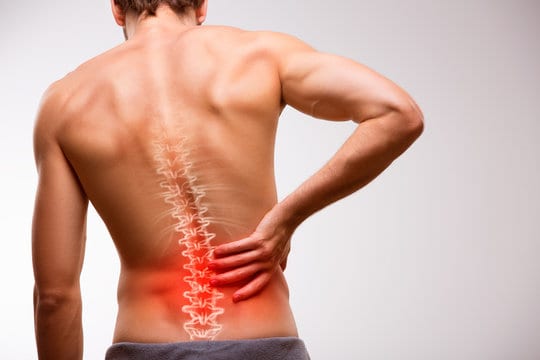
Back Pain Treatment
Lower back pain, sciatica, stiffness
[View Treatment]
Knee Pain Treatment
Injury, strain, instability
[View Treatment]
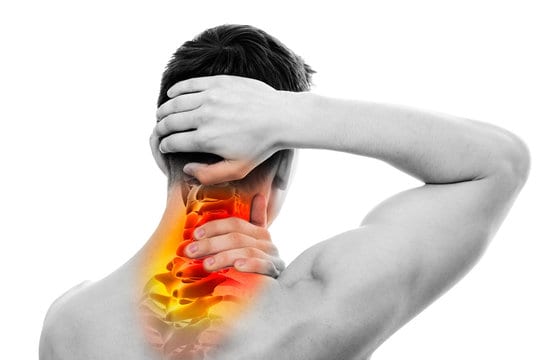
Neck & Shoulder Treatment
Stiffness, headaches, posture pain
[View Treatment]

Hip Pain Treatment
Walking pain, stiffness, groin pain
[View Treatment]

Comprehensive, Hands-On Care for Lasting Results
Osteopathy is a holistic approach to healthcare that focuses on diagnosing, treating, and preventing musculoskeletal problems. Unlike treatments that simply address symptoms, osteopaths work to identify and treat the root cause of your pain, helping you achieve long-term relief and better overall health. Whether you're dealing with chronic discomfort or a recent injury, an experienced Brisbane osteopath can provide personalised care tailored to your specific needs.
Osteopaths use a variety of hands-on techniques to improve mobility, reduce tension, and restore balance to your body. These include gentle stretching, massage, joint mobilisation, and manipulation. Each treatment is carefully designed based on a thorough assessment of your posture, movement patterns, and medical history. This comprehensive approach means that osteopathy can effectively address a wide range of conditions, from acute injuries to ongoing pain management.
Back pain is one of the most common reasons people seek osteopathic care. Whether it's lower back pain from sitting at a desk all day, a sports-related injury, or chronic stiffness, osteopaths have the skills to help. By releasing tight muscles, improving joint mobility, and addressing postural imbalances, treatment can significantly reduce pain and help you return to your normal activities. Many patients find that regular osteopathic sessions prevent back problems from returning.
Neck pain is another frequent complaint, often caused by poor posture, stress, or prolonged computer use. Osteopaths gently work on the neck, shoulders, and upper back to relieve tension, improve range of motion, and reduce headaches that often accompany neck problems. Treatment may also include advice on ergonomics and exercises to strengthen supporting muscles.
Hip pain can be particularly debilitating, affecting your ability to walk, sleep, and enjoy daily activities. Osteopaths assess not just the hip joint itself, but also the lower back, pelvis, and legs, as hip problems often stem from or contribute to issues in surrounding areas. By addressing the whole kinetic chain, osteopathic treatment can provide lasting relief and improve your overall mobility.
One of the key benefits of osteopathy is its focus on prevention. Rather than waiting for pain to return, your osteopath will work with you to identify factors that may be contributing to your problems. This might include postural habits, workplace ergonomics, exercise techniques, or lifestyle factors. You'll receive practical advice and exercises to help you maintain improvements between sessions and reduce the risk of future injury.
If you're in the Brisbane area, seeing a local practitioner offers significant advantages. A Brisbane osteopath understands the lifestyle factors common to the area—from active outdoor pursuits to commuter stress—and can provide relevant, practical advice. For residents in and around Kangaroo Point, convenient access to quality osteopathic care means you can easily fit treatment into your schedule, whether you need a single session for an acute issue or ongoing care for chronic conditions.
Our clinic provides a welcoming, professional environment where your health is our priority. We take the time to listen to your concerns, explain our findings, and involve you in your treatment plan. Many patients are surprised by how quickly they notice improvements and how much better they feel with regular care.
Don't let pain limit your life. Whether you're experiencing back pain, neck pain, hip pain, or any other musculoskeletal issue, osteopathy offers a safe, effective, drug-free approach to relief. With the right treatment and guidance, you can move better, feel stronger, and enjoy life more fully. Contact us today to book an appointment and discover how osteopathy can help you achieve lasting results.
Speak directly with an osteopath to ask questions
and understand your options before booking.
Call the team (07) 3217 3131
Recent Posts
 Best Sleeping Positions for Back and Neck Pain
 Warm-Up Routine to Prevent Lower Back Injury Before Exercise
 How to Set Up an Ergonomic Home Office (Osteopath-Approved)
Categories
ArthritisBack Pain
Chest Pain
Elbow Pain
Exercise
Flexibility
Foot pain
Hands
Headaches
Health Tips
Hip Pain
Knee Pain
Mindfulness
Neck & Shoulder Pain
Osteopathy
Osteoworks
Pain Management
Physical Therapy
Posture
Rest
Sleep
Sports Injuries
Stretches
Wellness