
"Almost Daily Health Tips From Our Osteopath Team"
Use the Form Below to Get Them All Sent to You for FREE
Returning to the Gym After Injury: A Safe Progression Guide
The moment your injury stops hurting, temptation says "back to normal". But pain resolution is the start of recovery, not the finish — and most re-injuries happen in the first weeks of the comeback. Here's how to return without the setback.
Why Pain-Free Isn't Recovered
When tissue is injured, you lose more than comfort: strength, tissue tolerance, movement quality and confidence all take a hit, and they recover on different timelines. Pain often disappears while capacity is still well below pre-injury levels. That gap is where re-injury lives.
The Staged Progression
- Stage 1 — Restore movement: full, pain-free range of motion through daily mobility work and hands-on treatment where restrictions remain.
- Stage 2 — Rebuild base strength: light loads, higher reps, controlled tempo. Leave your ego at the door; rebuild the pattern before the weight.
- Stage 3 — Progressive loading: gradually increase load toward your previous working weights, monitoring the tissue's response over the next 24 hours, not just during the set.
- Stage 4 — Return to full training: restore your normal program, keeping one eye on the injured area for a few extra weeks.
Rules That Prevent Setbacks
- The 24-hour rule: if pain is worse the next morning than baseline, that session was too much — step back one level.
- Don't skip the boring stage: most re-injuries trace back to rushed stage 2.
- Keep training the rest of you: train around, not into, the injured area — total-body work speeds overall recovery.
- Get the plan checked: an osteopath can test whether the tissue is genuinely ready for each stage.
Common Pitfalls That Set Recovery Back
Most setbacks in returning to the gym don't come from doing the wrong exercise — they come from doing the right exercise at the wrong dose. Recognising the pitfalls keeps your comeback on track.
The most common is jumping straight back to pre-injury weights. After a layoff, your muscles lose conditioning faster than your motivation dips, and loading at old numbers strains tissues that aren't ready yet. A sensible rule is to restart at roughly half your previous loads and rebuild over two to four weeks, letting symptoms — not the calendar — set the pace. The second pitfall is ignoring the reason you were injured in the first place: if tight hips, a weak core, or poor technique contributed, returning to identical training reproduces the problem.
Pain that lingers into the next morning, worsens across a session, or alters your movement pattern is a signal to step back a notch, not to push through. Build in a deload week every fourth or fifth week, keep a light training log, and treat niggles early — a five-minute conversation with your osteopath at the first sign of trouble is far cheaper than six weeks off.
Frequently Asked QuestionsHow long after injury can I train again?
It depends entirely on the injury and its severity — but structured, modified training usually starts far earlier than people expect. Get a plan rather than guessing.
Should I stretch more during recovery?
Gentle mobility helps; aggressive stretching of healing tissue doesn't. Progressive loading is the priority.
The Mistake Nearly Everyone Makes
The injury heals; the comeback fails. Not because of the injury — because of the calendar. The classic sequence: weeks of modified everything, then a first session back that is rationed carefully, feels great, and is followed within a fortnight by a second session that quietly becomes the "real" program again. Tissue that spent six weeks deconditioning gets handed a six-week-old workload in two weeks. The Achilles, hamstring or lower back that was recovering becomes re-injured — and this time it comes with a story: "that injury never really heals". It heals. The return was just mispriced.
A Safer Four-Phase Progression
- Phase 1 — Rebuild (weeks 1–2): pain-free range, isolated strength for the injured tissue, everything else trained around the injury.
- Phase 2 — Reintroduce (weeks 3–4): the movement pattern returns at reduced load — half-weight, slow tempo, controlled range.
- Phase 3 — Reconnect (weeks 5–6): full-speed elements return in small doses, separated by real recovery days; total volume stays capped.
- Phase 4 — Relaunch: normal programming resumes, with the first two weeks deliberately easier than your pre-injury baseline.
Two rules hold throughout: some discomfort that settles within 24 hours is acceptable — pain that lingers or worsens means the dose was too high; and progress is graded weekly, not negotiated by enthusiasm on the day.
Frequently Asked Questions
Your Next Step
Coming back from injury? Get a plan that ends the cycle. Book a return-to-training assessment at Osteoworks.
Book an appointment online or contact our Kangaroo Point clinic.
You may also find these helpful: our Injury Treatment treatment page, Should You Stretch Before or After a Run? What the Evidence Says, Osteopathy for Runners: Preventing Common Overuse Injuries, Sports Hernia vs Groin Strain: What's the Difference?.
About Osteoworks
Osteoworks is an osteopathic clinic in Kangaroo Point, Brisbane. Our osteopaths take a hands-on, whole-body approach — we look for the underlying cause of your pain rather than simply treating the symptom. Meet the team or learn more about osteopathy.
Osteopathy Treatments in Brisbane
Select your area of pain to get clear answers and the right treatment.
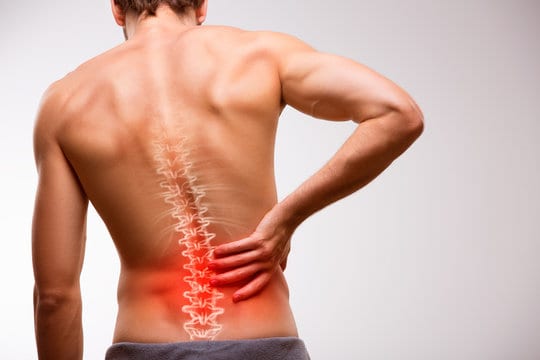
Back Pain Treatment
Lower back pain, sciatica, stiffness
[View Treatment]
Knee Pain Treatment
Injury, strain, instability
[View Treatment]
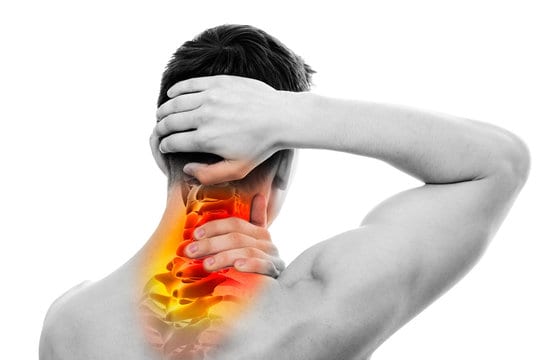
Neck & Shoulder Treatment
Stiffness, headaches, posture pain
[View Treatment]

Hip Pain Treatment
Walking pain, stiffness, groin pain
[View Treatment]

Comprehensive, Hands-On Care for Lasting Results
Osteopathy is a holistic approach to healthcare that focuses on diagnosing, treating, and preventing musculoskeletal problems. Unlike treatments that simply address symptoms, osteopaths work to identify and treat the root cause of your pain, helping you achieve long-term relief and better overall health. Whether you're dealing with chronic discomfort or a recent injury, an experienced Brisbane osteopath can provide personalised care tailored to your specific needs.
Osteopaths use a variety of hands-on techniques to improve mobility, reduce tension, and restore balance to your body. These include gentle stretching, massage, joint mobilisation, and manipulation. Each treatment is carefully designed based on a thorough assessment of your posture, movement patterns, and medical history. This comprehensive approach means that osteopathy can effectively address a wide range of conditions, from acute injuries to ongoing pain management.
Back pain is one of the most common reasons people seek osteopathic care. Whether it's lower back pain from sitting at a desk all day, a sports-related injury, or chronic stiffness, osteopaths have the skills to help. By releasing tight muscles, improving joint mobility, and addressing postural imbalances, treatment can significantly reduce pain and help you return to your normal activities. Many patients find that regular osteopathic sessions prevent back problems from returning.
Neck pain is another frequent complaint, often caused by poor posture, stress, or prolonged computer use. Osteopaths gently work on the neck, shoulders, and upper back to relieve tension, improve range of motion, and reduce headaches that often accompany neck problems. Treatment may also include advice on ergonomics and exercises to strengthen supporting muscles.
Hip pain can be particularly debilitating, affecting your ability to walk, sleep, and enjoy daily activities. Osteopaths assess not just the hip joint itself, but also the lower back, pelvis, and legs, as hip problems often stem from or contribute to issues in surrounding areas. By addressing the whole kinetic chain, osteopathic treatment can provide lasting relief and improve your overall mobility.
One of the key benefits of osteopathy is its focus on prevention. Rather than waiting for pain to return, your osteopath will work with you to identify factors that may be contributing to your problems. This might include postural habits, workplace ergonomics, exercise techniques, or lifestyle factors. You'll receive practical advice and exercises to help you maintain improvements between sessions and reduce the risk of future injury.
If you're in the Brisbane area, seeing a local practitioner offers significant advantages. A Brisbane osteopath understands the lifestyle factors common to the area—from active outdoor pursuits to commuter stress—and can provide relevant, practical advice. For residents in and around Kangaroo Point, convenient access to quality osteopathic care means you can easily fit treatment into your schedule, whether you need a single session for an acute issue or ongoing care for chronic conditions.
Our clinic provides a welcoming, professional environment where your health is our priority. We take the time to listen to your concerns, explain our findings, and involve you in your treatment plan. Many patients are surprised by how quickly they notice improvements and how much better they feel with regular care.
Don't let pain limit your life. Whether you're experiencing back pain, neck pain, hip pain, or any other musculoskeletal issue, osteopathy offers a safe, effective, drug-free approach to relief. With the right treatment and guidance, you can move better, feel stronger, and enjoy life more fully. Contact us today to book an appointment and discover how osteopathy can help you achieve lasting results.
Speak directly with an osteopath to ask questions
and understand your options before booking.
Call the team (07) 3217 3131
Recent Posts
 Best Sleeping Positions for Back and Neck Pain
 Warm-Up Routine to Prevent Lower Back Injury Before Exercise
 How to Set Up an Ergonomic Home Office (Osteopath-Approved)
Categories
ArthritisBack Pain
Chest Pain
Elbow Pain
Exercise
Flexibility
Foot pain
Hands
Headaches
Health Tips
Hip Pain
Knee Pain
Mindfulness
Neck & Shoulder Pain
Osteopathy
Osteoworks
Pain Management
Physical Therapy
Posture
Rest
Sleep
Sports Injuries
Stretches
Wellness