
"Almost Daily Health Tips From Our Osteopath Team"
Use the Form Below to Get Them All Sent to You for FREE
How Long Does It Actually Take to Recover from Chronic Back Pain?
If you've been living with chronic back pain for months — or even years — you've probably asked yourself: "Will I ever get better?" It's a fair question, and one that deserves an honest answer. Recovery from chronic back pain is rarely linear, and it's almost never overnight. But meaningful, lasting improvement is absolutely possible with the right approach. Understanding realistic timelines helps set expectations and keeps you motivated through the process.
What Counts as Chronic Back Pain?
Back pain is generally classified as chronic when it persists for 12 weeks or longer. By this stage, the pain is rarely just about a single injured tissue — it often involves a complex interplay of joint stiffness, muscle weakness, nerve sensitivity, movement patterns, and sometimes psychological factors like stress or fear of movement. This is why chronic back pain requires a more comprehensive approach than a simple acute strain.
Realistic Recovery Timelines
Every person's recovery is different, but here's a general framework based on clinical experience:
- First 1-2 weeks: Initial treatment focuses on reducing pain and inflammation. Many patients notice a reduction in pain intensity and improved ease of movement.
- Weeks 2-4: This is often where meaningful change happens. With consistent treatment and prescribed exercises, movement improves, pain frequency decreases, and daily activities become easier. Many patients report a noticeable shift in how their back feels during this period.
- Weeks 4-8: The focus shifts to building strength, improving movement patterns, and preventing recurrence. Pain may still be present but is typically less frequent and less intense. This phase is about building resilience, not just chasing pain relief.
- Weeks 8-12: Most patients are significantly improved by this stage. The goal becomes maintenance — keeping the gains you've made and continuing to build strength and mobility independently.
Why Recovery Isn't Just About Pain
One of the most important shifts in chronic pain recovery is changing how you measure progress. If "does it still hurt?" is the only question, it's easy to feel stuck — because pain fluctuates day to day. A better approach is to track multiple markers:
- Can you walk longer without pain?
- Are you sleeping better?
- Can you do activities you'd stopped — gardening, sport, playing with kids?
- Is the pain less frequent or less intense than a month ago?
- Are you using less pain medication?
Recovery is about function, not just pain. Getting back to the activities that matter to you is the real measure of success.
What Affects Recovery Time?
- How long you've had the pain — longer-standing issues can take more time to resolve
- Whether you're doing your prescribed exercises consistently
- Your general fitness and activity levels
- Stress levels and sleep quality
- Whether there are underlying conditions like osteoarthritis or disc degeneration
- How early you started treatment
How Osteopathy Supports Long-Term Recovery
Osteopathic treatment for chronic back pain is about more than hands-on techniques — it's about building a pathway back to function. Your osteopath works to:
- Identify and address the underlying causes — not just the symptoms
- Improve joint mobility and reduce tissue tension
- Design a progressive exercise plan to build strength and resilience
- Track progress using functional milestones, not just pain scores
- Adjust the treatment plan as you improve, so each phase builds on the last
"Recovery from chronic back pain isn't about waiting for it to disappear — it's about actively building the conditions for your body to heal and move well again."
Frequently Asked Questions
Can chronic back pain be fully cured?
For many people, chronic back pain can be significantly reduced or resolved with appropriate treatment and rehabilitation. In some cases involving underlying conditions like osteoarthritis, the goal may be management rather than complete cure — but meaningful improvement in pain and function is achievable in most cases.
Why does my back pain keep coming back?
Recurrent back pain usually means the underlying cause — such as joint stiffness, muscle weakness, or poor movement patterns — hasn't been fully addressed. Osteopathy aims to identify and treat these root causes to break the cycle of recurrence.
Is it normal to still have some pain after weeks of treatment?
Yes. Chronic pain recovery is gradual, and it's common to have fluctuations. The key is whether the overall trend is improving — less frequent, less intense, and less limiting over time. Your osteopath will track your progress across multiple markers, not just pain alone.
What can I do at home to speed up recovery?
Consistent prescribed exercises, gentle regular movement (like walking), good sleep, stress management, and maintaining a healthy weight all support recovery. Following your osteopath's advice on posture and movement is also crucial.
script type="application/ld+json">{"@context":"https://schema.org","@type":"FAQPage","mainEntity":[{"@type":"Question","name":"Can chronic back pain be fully cured?","acceptedAnswer":{"@type":"Answer","text":"For many people, chronic back pain can be significantly reduced or resolved with appropriate treatment and rehabilitation. In some cases involving underlying conditions like osteoarthritis, the goal may be management rather than complete cure — but meaningful improvement in pain and function is achievable in most cases."}},{"@type":"Question","name":"Why does my back pain keep coming back?","acceptedAnswer":{"@type":"Answer","text":"Recurrent back pain usually means the underlying cause — such as joint stiffness, muscle weakness, or poor movement patterns — hasn't been fully addressed. Osteopathy aims to identify and treat these root causes to break the cycle of recurrence."}},{"@type":"Question","name":"Is it normal to still have some pain after weeks of treatment?","acceptedAnswer":{"@type":"Answer","text":"Yes. Chronic pain recovery is gradual, and it's common to have fluctuations. The key is whether the overall trend is improving — less frequent, less intense, and less limiting over time. Your osteopath will track your progress across multiple markers, not just pain alone."}},{"@type":"Question","name":"What can I do at home to speed up recovery?","acceptedAnswer":{"@type":"Answer","text":"Consistent prescribed exercises, gentle regular movement (like walking), good sleep, stress management, and maintaining a healthy weight all support recovery. Following your osteopath's advice on posture and movement is also crucial."}}]}Ready to move better and live pain-free? Book an appointment with Osteoworks today.
Frequently Asked Questions
Osteopathy Treatments in Brisbane
Select your area of pain to get clear answers and the right treatment.
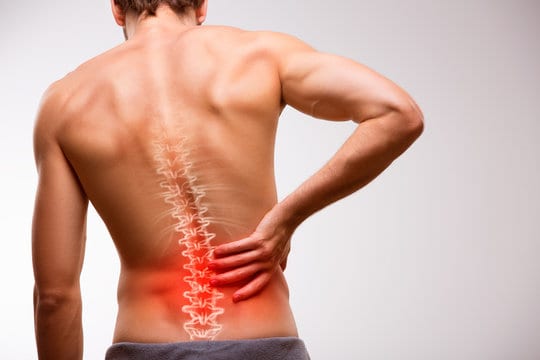
Back Pain Treatment
Lower back pain, sciatica, stiffness
[View Treatment]
Knee Pain Treatment
Injury, strain, instability
[View Treatment]
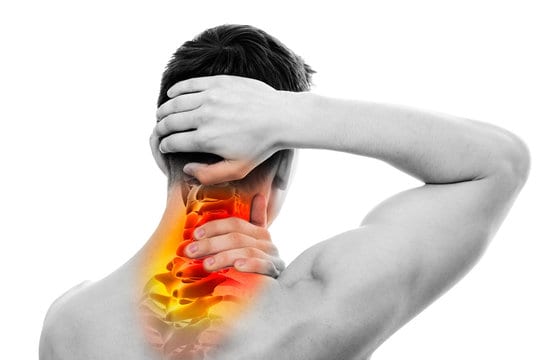
Neck & Shoulder Treatment
Stiffness, headaches, posture pain
[View Treatment]

Hip Pain Treatment
Walking pain, stiffness, groin pain
[View Treatment]

Comprehensive, Hands-On Care for Lasting Results
Osteopathy is a holistic approach to healthcare that focuses on diagnosing, treating, and preventing musculoskeletal problems. Unlike treatments that simply address symptoms, osteopaths work to identify and treat the root cause of your pain, helping you achieve long-term relief and better overall health. Whether you're dealing with chronic discomfort or a recent injury, an experienced Brisbane osteopath can provide personalised care tailored to your specific needs.
Osteopaths use a variety of hands-on techniques to improve mobility, reduce tension, and restore balance to your body. These include gentle stretching, massage, joint mobilisation, and manipulation. Each treatment is carefully designed based on a thorough assessment of your posture, movement patterns, and medical history. This comprehensive approach means that osteopathy can effectively address a wide range of conditions, from acute injuries to ongoing pain management.
Back pain is one of the most common reasons people seek osteopathic care. Whether it's lower back pain from sitting at a desk all day, a sports-related injury, or chronic stiffness, osteopaths have the skills to help. By releasing tight muscles, improving joint mobility, and addressing postural imbalances, treatment can significantly reduce pain and help you return to your normal activities. Many patients find that regular osteopathic sessions prevent back problems from returning.
Neck pain is another frequent complaint, often caused by poor posture, stress, or prolonged computer use. Osteopaths gently work on the neck, shoulders, and upper back to relieve tension, improve range of motion, and reduce headaches that often accompany neck problems. Treatment may also include advice on ergonomics and exercises to strengthen supporting muscles.
Hip pain can be particularly debilitating, affecting your ability to walk, sleep, and enjoy daily activities. Osteopaths assess not just the hip joint itself, but also the lower back, pelvis, and legs, as hip problems often stem from or contribute to issues in surrounding areas. By addressing the whole kinetic chain, osteopathic treatment can provide lasting relief and improve your overall mobility.
One of the key benefits of osteopathy is its focus on prevention. Rather than waiting for pain to return, your osteopath will work with you to identify factors that may be contributing to your problems. This might include postural habits, workplace ergonomics, exercise techniques, or lifestyle factors. You'll receive practical advice and exercises to help you maintain improvements between sessions and reduce the risk of future injury.
If you're in the Brisbane area, seeing a local practitioner offers significant advantages. A Brisbane osteopath understands the lifestyle factors common to the area—from active outdoor pursuits to commuter stress—and can provide relevant, practical advice. For residents in and around Kangaroo Point, convenient access to quality osteopathic care means you can easily fit treatment into your schedule, whether you need a single session for an acute issue or ongoing care for chronic conditions.
Our clinic provides a welcoming, professional environment where your health is our priority. We take the time to listen to your concerns, explain our findings, and involve you in your treatment plan. Many patients are surprised by how quickly they notice improvements and how much better they feel with regular care.
Don't let pain limit your life. Whether you're experiencing back pain, neck pain, hip pain, or any other musculoskeletal issue, osteopathy offers a safe, effective, drug-free approach to relief. With the right treatment and guidance, you can move better, feel stronger, and enjoy life more fully. Contact us today to book an appointment and discover how osteopathy can help you achieve lasting results.
Speak directly with an osteopath to ask questions
and understand your options before booking.
Call the team (07) 3217 3131
Recent Posts
 Best Sleeping Positions for Back and Neck Pain
 Warm-Up Routine to Prevent Lower Back Injury Before Exercise
 How to Set Up an Ergonomic Home Office (Osteopath-Approved)
Categories
ArthritisBack Pain
Chest Pain
Elbow Pain
Exercise
Flexibility
Foot pain
Hands
Headaches
Health Tips
Hip Pain
Knee Pain
Mindfulness
Neck & Shoulder Pain
Osteopathy
Osteoworks
Pain Management
Physical Therapy
Posture
Rest
Sleep
Sports Injuries
Stretches
Wellness