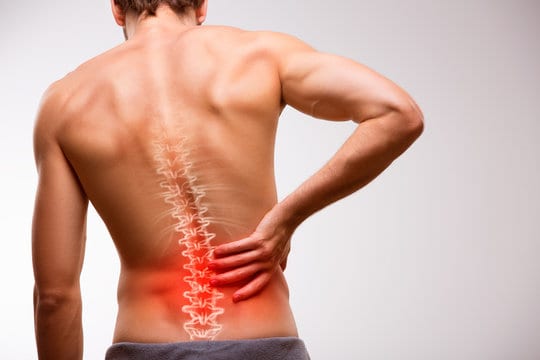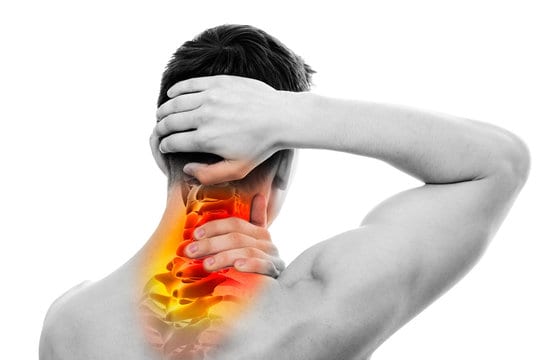

Headaches and migraines can be triggered by factors such as stress, poor posture, muscle tension, lack of sleep, or neck and jaw dysfunction. Osteopathic treatment aims to identify and address these contributing factors through hands-on techniques that improve joint mobility, reduce muscle tension, and support healthy movement patterns. Acupuncture may help by calming the nervous system, reducing pain sensitivity, improving circulation, and promoting relaxation. Many patients find it helpful for managing headache frequency, intensity, and recovery. At our osteopathic clinic, we take a personalised approach, combining osteopathic care, education, and lifestyle advice to help reduce headache triggers and support long-term prevention. While treatment outcomes vary between individuals, many patients experience improved symptom control, better function, and an enhanced quality of life.
Understanding the Root Causes of Headaches and Migraines
Headaches and migraines are rarely caused by a single factor. For many people, they result from a complex interplay of physical, emotional, and environmental triggers. Poor posture, especially from prolonged desk work or screen time, places sustained strain on the neck and upper back muscles, leading to tension-type headaches that can become chronic if left unaddressed. Jaw clenching and teeth grinding, often linked to stress or sleep disturbances, can irritate the temporomandibular joint and surrounding tissues, radiating pain into the head and temples. Hormonal fluctuations, dehydration, certain foods, and changes in weather patterns can also act as catalysts for migraine episodes in susceptible individuals.
Understanding your unique headache pattern is essential for effective management. Keeping a simple headache diary—recording when episodes occur, their duration, intensity, and any associated activities or foods—can reveal valuable insights into your personal triggers. This information allows your osteopath or acupuncturist to tailor treatment more precisely, addressing not just the symptoms but the underlying patterns that sustain them. At our clinic, we take time to listen to your history and examine how your body moves and functions as a whole, recognising that the source of head pain may lie distant from where you feel it.

How Osteopathy Supports Headache Prevention and Relief
Osteopathic treatment offers a gentle, non-invasive approach to headache and migraine management that focuses on restoring balance and function throughout the body. Your osteopath will assess the mobility of your spine, particularly the cervical and thoracic regions, as restrictions here can refer pain into the head and contribute to tension headaches. Through precise manual techniques, including soft tissue massage, joint mobilisation, and myofascial release, osteopathy aims to release areas of restriction, improve blood flow, and reduce muscular tension that may be perpetuating your symptoms.
Beyond hands-on treatment, osteopaths consider the broader context of your health. We evaluate how you sit, stand, and move during daily activities, offering practical advice on ergonomics, exercises, and stretches that support your recovery between appointments. For those with migraines, addressing tension in the neck and shoulders can reduce the frequency of attacks, while improving overall posture helps decrease the cumulative strain that builds through busy workdays. Many patients report not only fewer headaches but also better sleep, improved concentration, and a greater sense of wellbeing as their treatment progresses.
Did You Know?
Research suggests that acupuncture can reduce the frequency of migraine attacks by up to 50% in some patients, with benefits often lasting for months after treatment completion.
The Role of Acupuncture in Calming the Nervous System
Acupuncture has been used for thousands of years to treat pain and restore health, and modern research continues to validate its effectiveness for headache and migraine management. From a traditional perspective, acupuncture works by regulating the flow of energy, or qi, through pathways in the body. Contemporary understanding suggests that the insertion of fine needles at specific points stimulates the nervous system, triggering the release of endorphins and other natural pain-relieving chemicals. This process can help modulate pain signals, reduce inflammation, and promote a state of deep relaxation that counteracts the stress response so often implicated in headache disorders.
For migraine sufferers, acupuncture may be particularly beneficial when used preventatively. Regular sessions can help stabilise the nervous system, making it less reactive to known triggers such as hormonal changes, bright lights, or strong odours. Many patients describe a sense of calm and clarity following treatment, with headaches becoming less intense and easier to manage when they do occur. Acupuncture is also well-tolerated, with minimal side effects, making it a suitable option for those who cannot or prefer not to rely solely on medication. When combined with osteopathic care, acupuncture addresses both the structural and neurological dimensions of headache pain, offering a comprehensive and integrated approach to healing.
Lifestyle Strategies for Long-Term Headache Prevention
While osteopathy and acupuncture provide powerful tools for headache relief, lasting prevention often requires attention to daily habits and routines. Simple changes can have a profound impact on how often and how severely headaches occur. Prioritising consistent sleep patterns helps regulate the nervous system and reduces fatigue-related triggers. Staying adequately hydrated supports healthy circulation and can prevent the dehydration headaches that catch many people off guard during busy days. Regular movement, whether through walking, swimming, yoga, or tailored exercise programs, keeps muscles supple and reduces the postural strain that accumulates with sedentary work.
Stress management deserves particular attention, as emotional tension frequently manifests physically in the neck, shoulders, and jaw. Mindfulness practices, breathing exercises, and scheduled breaks throughout the workday can interrupt the cycle of tension before it escalates into pain. Nutrition also plays a role; identifying and minimising trigger foods such as aged cheeses, processed meats, or excessive caffeine may reduce migraine frequency for some individuals. At our clinic, we work collaboratively with you to develop a personalised prevention plan that integrates treatment with practical lifestyle strategies, empowering you to take an active role in your health journey.
What to Expect from Your First Visit
Your initial consultation begins with a thorough discussion of your headache history, health background, and current concerns. We want to understand not just when and where your pain occurs, but how it affects your daily life, work, and relationships. A physical examination will assess your posture, spinal mobility, muscle tension, and any areas of tenderness or restriction. If acupuncture is appropriate for your condition, we will explain the process, answer any questions, and ensure you feel comfortable before proceeding. Treatment is gentle and adapted to your individual needs, with your feedback guiding our approach at every step.
Follow-up appointments allow us to monitor your progress, refine your treatment plan, and address any new or changing symptoms. Some patients notice improvement after a single session, while others benefit from a course of treatment over several weeks. Our goal is not merely to relieve your current symptoms but to equip you with the understanding and tools to maintain your progress independently. We believe that effective healthcare is a partnership, and we are committed to supporting you with compassion, expertise, and a genuine dedication to your wellbeing.
Conclusion
Headaches and migraines need not dominate your life. With the combined benefits of osteopathy and acupuncture, together with thoughtful lifestyle adjustments, many people find significant and lasting relief. Whether you experience occasional tension headaches or debilitating migraines, our clinic offers a welcoming space where your concerns are heard and your health goals are prioritised. We invite you to reach out and discover how a personalised, integrative approach can help you move beyond pain and towards a more vibrant, balanced life.