"Almost Daily Health Tips From Our Osteopath Team"
Use the Form Below to Get Them All Sent to You for FREE
Osteopathic Treatment For Hip Dysplasia
It’s possible to go for treatment for Hip Dysplasia and get relief from the common aches and pains associated with the condition. Hip Dysplasia affects people of all ages, particularly when it goes undiagnosed for many years. Fortunately it’s treatable and can be managed to help improve your day-to-day life.
What is Hip Dysplasia?
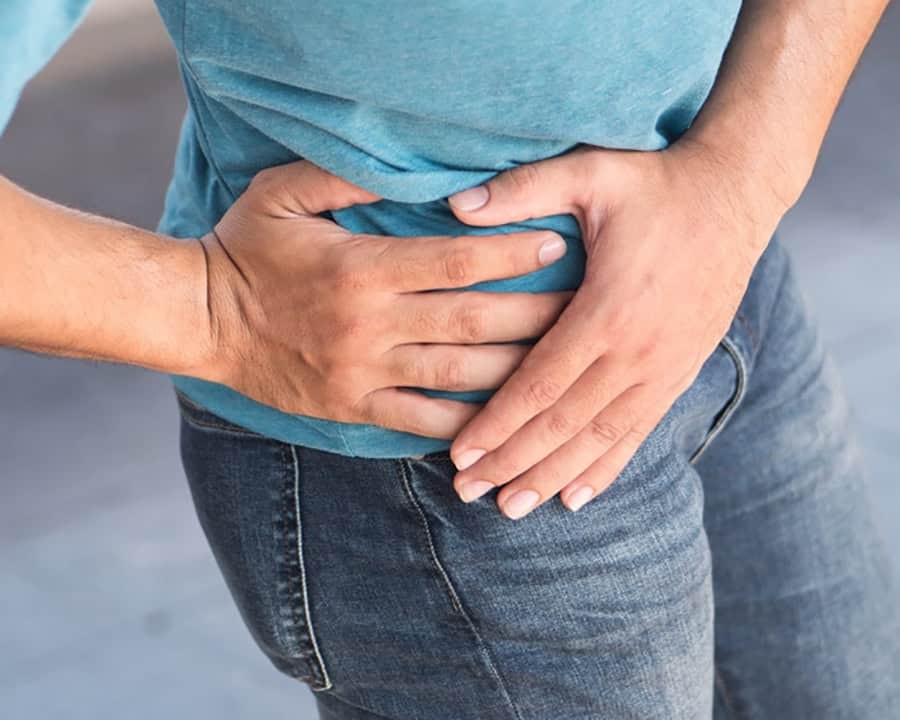
It’s a condition affecting the hip joint, where the ball of the upper thigh bone (femur) doesn’t fit snugly into the socket of the pelvis (acetabulum). This results in a looseness that can cause the hip joint to partially or even completely dislocate, leading to pain and limitations in movement.
The Development of Hip Dysplasia
Hip dysplasia can develop at different stages of life. It is most commonly diagnosed in infancy, and is often present at birth and is sometimes referred to as developmental dysplasia of the hip (DDH).
During adolescence, in some cases, a previously healthy hip joint may not develop properly during the growth spurt of a child. If it goes undiagnosed then that is how it ends up being diagnosed in adults. While it is less frequent, hip dysplasia can manifest in adulthood due to wear and tear, however it is often linked to undiagnosed childhood cases.
Several Factors can Contribute to Hip Dysplasia
Genetics: As you can imagine, a family history of the condition increases the risk. If you are not certain whether you are at risk, then you may want to dive back into your family history to see if any past relatives have had it.
Fetal positioning: Certain breech positions can affect the development of the hip in-utero. You could have perfectly good genes that allow for ideal hip development, but the position of the child is what leads to complications.
It sometimes happens that a foot gets stuck in the uterine wall and ends up growing that way while the rest of the body develops normally. The shifting weight and the developing leg in the obscure position could lead to a malformed hip or leg bone.
Loose ligaments: Granted that infants are generally a lot more supple when they are younger, but in some babies, the ligaments surrounding the hip joint are looser than usual. This makes the hip joint unstable during development and often leads to hip problems later in life.
A child would need regular physical therapy to help them develop their hip and leg muscles in order to help them walk normally as they get older.
What are the Symptoms of Hip Dysplasia?
The symptoms of hip dysplasia can vary depending on age and severity. It’s best to break it down according to age groups as the symptoms can change
- Infants: For infants it’s usually uneven leg lengths. You may even hear a clicking sound in the hip during movement. The child will also express discomfort and difficulty while spreading the legs wide.
- Children and Adolescents: If the child goes undiagnosed into adolescence you will usually see signs of limping, pain in the hip or groin area, and decreased range of motion in the hip.
- Adults: The most common symptoms of hip dysplasia are hip pain, stiffness, and a limp. Many adults will experience difficulty performing daily activities that require bending or squatting.
Treatment for Hip Dysplasia
Early diagnosis is crucial for successful treatment. That’s why having your children checked out to see if they have dysplasia. Gentle harnessing with devices like the Pavlik harness can reposition the hip joint for proper development.
Adolescents would need to go for casting, or surgery might be necessary to realign the bones and promote a stable joint. Fortunately, they are still young enough to be able to adapt to the treatment. Ideally you still want to be able to catch it here before it progresses further into adulthood, when it becomes a bit more difficult to manage or fix.
Adults would require regular physical therapy exercises to strengthen the muscles and improve flexibility around the hip joint. In severe cases, hip replacement surgery may be needed, in which case the hip socket gets a titanium replacement. Even after surgery, you will still need to come for physical therapy to help your hip heal in a healthy way that allows for regular mobility for many more years to come.
Physical Therapy for Hip Dysplasia
Physical therapy can play a crucial role in managing hip dysplasia across all age groups. A personalized physical therapy program aims to address pain, improve hip function, and prevent further complications. Let's take a closer look at the different approaches used by a physical therapist for hip dysplasia.
The Use of Manual Therapy
Soft tissue mobilization: Techniques like massage and stretching target tight muscles and fascia surrounding the hip joint. This improves flexibility, reduces pain, and promotes better joint movement.
Joint mobilization: Gentle manipulations by a therapist can improve the range of motion in the hip joint and reduce stiffness. There are several different exercises that can be performed on the hip and leg, to help with movement and flexibility.
Therapeutic Exercises Specifically for Hip Recovery
Strengthening exercises: Focus on strengthening the muscles around the hip, particularly the gluteals, hamstrings, and core. Strong muscles support the hip joint, improve stability, and reduce stress on the joint.
Range-of-motion exercises: Gentle stretches and movements that aim to increase the range of motion in the hip joint. This will allow for pain-free movement in daily activities, leaving you fr\ee to do more throughout the day.
Balance and gait training: Exercises designed to improve balance and coordination can help prevent falls and promote a more efficient walking pattern. This greatly reduces stress on the hip and also reduces the amount of pain experienced.
You Could Also Try Other Healing Modalities
Heat and ice therapy: Heat can be applied before exercises to improve circulation and loosen tight muscles, while ice can be used afterward to reduce inflammation and pain. The combination of the two is where the magic happens, and goes a long way to helping with pain in the short term.
Ultrasound: This modality uses sound waves to promote healing and reduce pain in the affected area. Ultrasound essentially improves the fluid flow around the area being treated. That means more blood flow, and improved lymphatic drainage to help the area heal faster.
How Physical Therapy Helps Recovery
A physical therapist has been medically trained to understand how your body develops, and every aspect of how it moves. Physical therapy addresses hip dysplasia in several ways:
Pain Management: A physical therapist can employ manual therapy techniques and specific exercises to help you manage the pain associated with hip dysplasia.
Improved Mobility: Stretching and joint mobilization exercises increase the range of motion in the hip joint. That means you’ll be a lot more comfortable when completing your daily activities.
Muscle Strengthening: Strengthening exercises enhance the muscles supporting the hip joint. A physical therapist can help show you to manage your form during exercises that will lead to improved stability and reduced stress on the joint.
Functional Improvement: Physical therapy helps patients regain strength and coordination. This allows them to resume daily activities with more ease. You’ll be able to reach for that top shelf again, or bend down to get something from under the kitchen sink.
Preventing Further Complications: A strong and mobile hip joint is less susceptible to further degeneration, promoting long-term hip health. Regular exercise and a healthy diet can go a long way to preventing your joints from degrading further.
Physical therapy is a non-invasive and effective approach to managing hip dysplasia. A qualified physical therapist can design a program tailored to your specific needs and age group. By diligently following your physical therapy program, you can experience significant pain relief, improved hip function, and a better quality of life.
If you suspect hip dysplasia in yourself or your child, consulting a healthcare professional for proper diagnosis and treatment is vital. Early intervention can significantly improve outcomes and prevent long-term complications.
You are also welcome to try and contact me directly for a free telephone consultation, where you can ask me questions about your hips and then we can see what can be done to help you with it.
Ready to move better and live pain-free? Book an appointment with Osteoworks today.
Osteopathy Treatments in Brisbane
Select your area of pain to get clear answers and the right treatment.
Back Pain Treatment
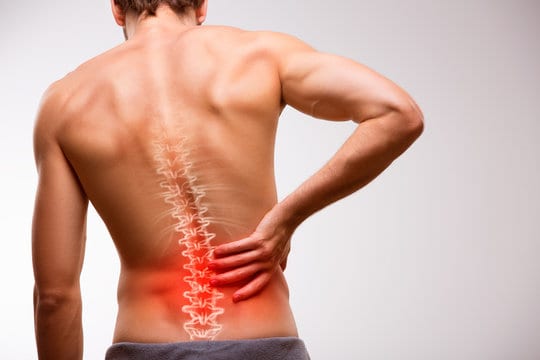
Lower back pain, sciatica, stiffness
[View Treatment]
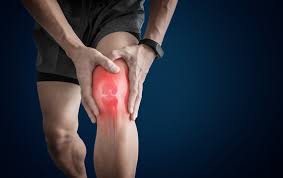
Knee Pain Treatment
Injury, strain, instability
[View Treatment]
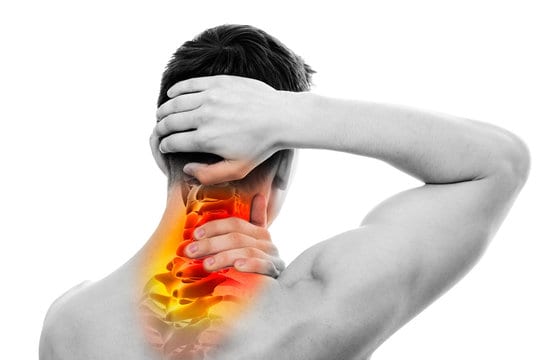
Neck & Shoulder Treatment
Stiffness, headaches, posture pain
[View Treatment]

Hip Pain Treatment
Walking pain, stiffness, groin pain
[View Treatment]

Comprehensive, Hands-On Care for Lasting Results
Osteopathy is a holistic approach to healthcare that focuses on diagnosing, treating, and preventing musculoskeletal problems. Unlike treatments that simply address symptoms, osteopaths work to identify and treat the root cause of your pain, helping you achieve long-term relief and better overall health. Whether you're dealing with chronic discomfort or a recent injury, an experienced Brisbane osteopath can provide personalised care tailored to your specific needs.
Osteopaths use a variety of hands-on techniques to improve mobility, reduce tension, and restore balance to your body. These include gentle stretching, massage, joint mobilisation, and manipulation. Each treatment is carefully designed based on a thorough assessment of your posture, movement patterns, and medical history. This comprehensive approach means that osteopathy can effectively address a wide range of conditions, from acute injuries to ongoing pain management.
Back pain is one of the most common reasons people seek osteopathic care. Whether it's lower back pain from sitting at a desk all day, a sports-related injury, or chronic stiffness, osteopaths have the skills to help. By releasing tight muscles, improving joint mobility, and addressing postural imbalances, treatment can significantly reduce pain and help you return to your normal activities. Many patients find that regular osteopathic sessions prevent back problems from returning.
Neck pain is another frequent complaint, often caused by poor posture, stress, or prolonged computer use. Osteopaths gently work on the neck, shoulders, and upper back to relieve tension, improve range of motion, and reduce headaches that often accompany neck problems. Treatment may also include advice on ergonomics and exercises to strengthen supporting muscles.
Hip pain can be particularly debilitating, affecting your ability to walk, sleep, and enjoy daily activities. Osteopaths assess not just the hip joint itself, but also the lower back, pelvis, and legs, as hip problems often stem from or contribute to issues in surrounding areas. By addressing the whole kinetic chain, osteopathic treatment can provide lasting relief and improve your overall mobility.
One of the key benefits of osteopathy is its focus on prevention. Rather than waiting for pain to return, your osteopath will work with you to identify factors that may be contributing to your problems. This might include postural habits, workplace ergonomics, exercise techniques, or lifestyle factors. You'll receive practical advice and exercises to help you maintain improvements between sessions and reduce the risk of future injury.
If you're in the Brisbane area, seeing a local practitioner offers significant advantages. A Brisbane osteopath understands the lifestyle factors common to the area—from active outdoor pursuits to commuter stress—and can provide relevant, practical advice. For residents in and around Kangaroo Point, convenient access to quality osteopathic care means you can easily fit treatment into your schedule, whether you need a single session for an acute issue or ongoing care for chronic conditions.
Our clinic provides a welcoming, professional environment where your health is our priority. We take the time to listen to your concerns, explain our findings, and involve you in your treatment plan. Many patients are surprised by how quickly they notice improvements and how much better they feel with regular care.
Don't let pain limit your life. Whether you're experiencing back pain, neck pain, hip pain, or any other musculoskeletal issue, osteopathy offers a safe, effective, drug-free approach to relief. With the right treatment and guidance, you can move better, feel stronger, and enjoy life more fully. Contact us today to book an appointment and discover how osteopathy can help you achieve lasting results.
Speak directly with an osteopath to ask questions
and understand your options before booking.
Call the team (07) 3217 3131
Recent Posts
 Best Sleeping Positions for Back and Neck Pain
 Warm-Up Routine to Prevent Lower Back Injury Before Exercise
 How to Set Up an Ergonomic Home Office (Osteopath-Approved)
Categories
ArthritisBack Pain
Chest Pain
Elbow Pain
Exercise
Flexibility
Foot pain
Hands
Headaches
Health Tips
Hip Pain
Knee Pain
Mindfulness
Neck & Shoulder Pain
Osteopathy
Osteoworks
Pain Management
Physical Therapy
Posture
Rest
Sleep
Sports Injuries
Stretches
Wellness